
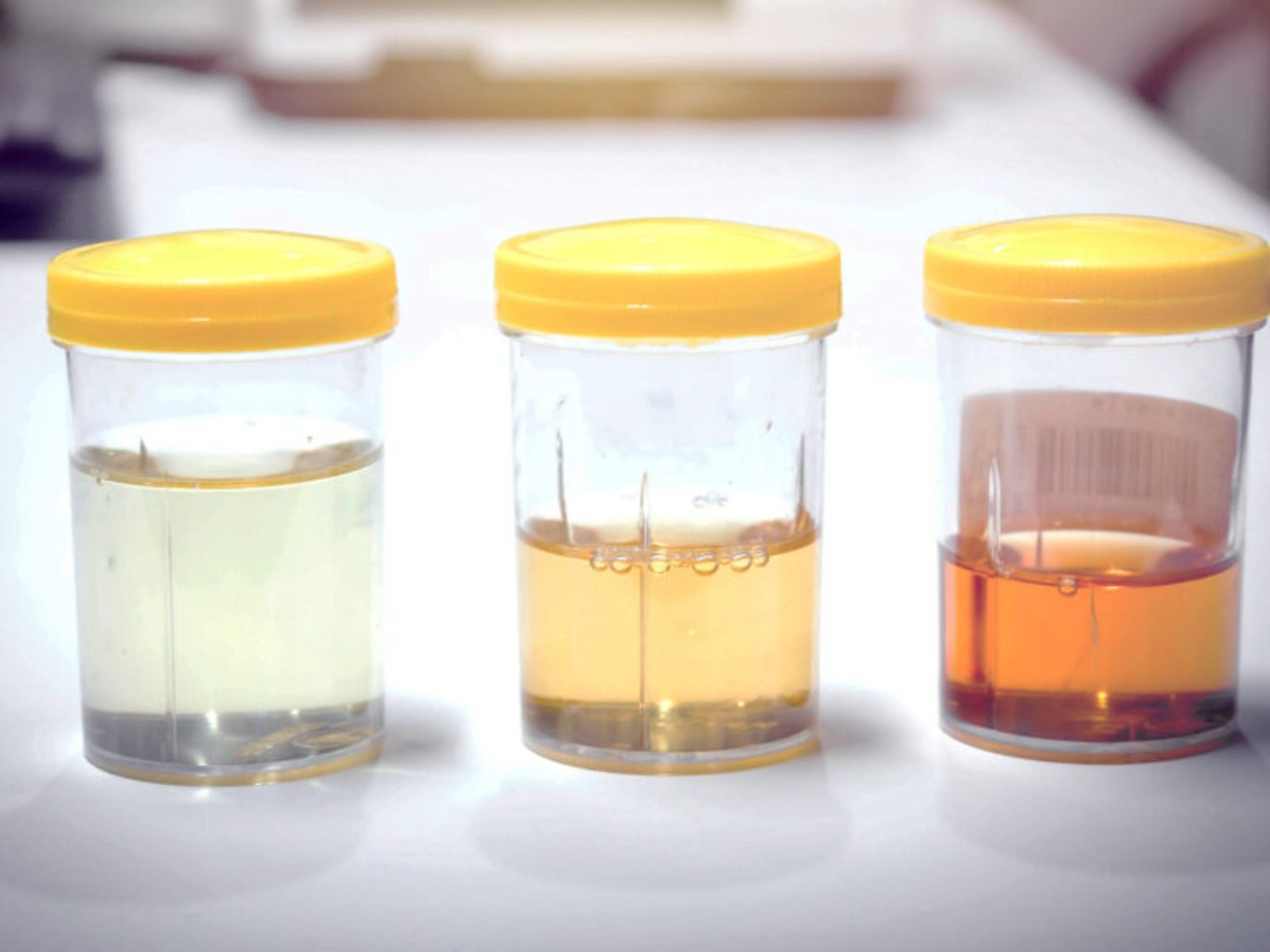
Hydration is simple, but it has a wide impact. It supports circulation, kidney health, digestion, temperature control, cognitive function, and energy. Paying attention to your fluid intake is one of the easiest ways to protect your overall health.
#1 How to Check Your Hydration in Seconds
Your urine holds valuable clues about your health. Each time you use the toilet, you get instant feedback on your fluid levels.
What Your Urine Colour Means
Pale straw to clear signals good hydration. Your body has the fluids it needs to function well. Your kidneys are efficiently flushing out waste products. This is the colour to aim for throughout the day.
Dark yellow to amber suggests you need more fluids. Your body is holding onto water. It’s a gentle warning sign. Drink water soon to avoid slipping into dehydration.
Honey-coloured or deeper indicates dehydration. Your body is struggling to maintain its normal functions. You need to increase your fluid intake. Dark urine paired with other symptoms means you should take action.
The Science in Simple Terms
Your kidneys filter your blood every day. They remove waste and balance fluids. The pigment urobilin gives urine its yellow colour.
When you’re well hydrated, your kidneys dilute this pigment. Your urine stays light. When you’re low on fluids, your kidneys concentrate the urine. This preserves water for vital organs. The pigment becomes more visible, making urine darker.
Adults should drink around 2.1 to 2.6 litres of fluid daily. Children over one year need about 1 to 2 litres. These are general guides. But your actual needs depend on your activity, the weather, and your body size. Your urine colour offers a more personalised check.
#2 When Colour is a Symptom
Only urine colour doesn’t tell the full story. Your body sends other signals when fluids run low.
Mild to Moderate Dehydration
In that case, dark urine rarely appears alone. Thirst seems obvious, but it’s worth noting. By the time you feel thirsty, you’re already mildly dehydrated. Don’t ignore this signal. Drink water as soon as you notice thirst.
- Dry mouth and lips follow closely. Your body reduces saliva production to conserve water. Your mouth feels sticky or dry. Your lips may crack or feel rough.
- Fatigue sets in next. Even mild dehydration affects your energy. You feel more tired than usual. Tasks feel harder. You might yawn frequently or struggle to focus.
- Headaches are common, too. Your brain sits inside fluid-filled cushions. When you’re dehydrated, these cushions shrink slightly. The brain pulls away from the skull. This causes pain. Drinking water often eases dehydration headaches within 30 minutes.
- Dizziness can occur, especially when standing quickly. Low fluid levels reduce blood volume. Your blood pressure drops. You feel lightheaded or unsteady.
- Reduced urination matters as much as colour. If you’re going less often than usual, take note. Most people urinate four to seven times daily. Significantly fewer trips suggest dehydration.
Severe Dehydration
It’s dangerous and needs urgent medical attention.
- Very low urine output is a red flag. If you haven’t urinated in eight hours or more, your body is in trouble. Any urine produced will be dark and concentrated.
- Rapid heartbeat signals distress. Your heart works harder to pump reduced blood volume. You might feel your heart racing or pounding.
- Confusion or irritability means your brain isn’t getting enough fluid. Thinking becomes fuzzy. You feel disoriented. You may snap at others or feel unusually emotional.
- Fainting or severe dizziness indicates your body can’t maintain blood pressure. Standing becomes difficult. You might black out.
- Sunken eyes appear in advanced dehydration. The tissues around your eyes lose fluid. Eyes look hollow or dark.
- Cold hands and feet happen as blood pulls toward your core. Your body protects vital organs first. Extremities receive less circulation.
Signs in Babies and Children
Children dehydrate faster than adults. Their smaller bodies lose fluids quickly. They can’t always tell you how they feel. Watch for these signs.
- Fewer wet nappies are your best clue. A baby having fewer than four wet nappies in 24 hours needs attention. For older children, notice if they haven’t used the toilet in six to eight hours.
- No tears when crying signals trouble. Tears require fluid. If your child cries without tears, they’re likely dehydrated.
- A sunken fontanelle applies to babies under 18 months. The soft spot on top of their head may look pulled inward. This requires immediate medical review.
- Lethargy shows as unusual sleepiness. Your child seems hard to wake. They lack energy for normal play. They may seem floppy or weak.
- Irritability often accompanies dehydration. Your child cries more than usual. They can’t be settled. Nothing seems to comfort them.
- Dry nappies for six hours or more demands action. So does dark urine in the nappy. For toilet-trained children, check if they’re visiting the bathroom less often.
#3 High-Risk Groups in Our Community
Dehydration doesn’t affect everyone equally. Some people lose fluids faster, struggle to recognise thirst, or can’t easily access drinks. During an Australian summer, knowing who needs extra attention matters.
Babies and Young Children
Small bodies lose water fast, and kids can’t always tell you they’re thirsty. Children over one should drink one to two litres daily. Offer water throughout the day without waiting for them to ask.
Babies under six months shouldn’t drink plain water. Breastmilk or formula covers their needs, but offer feeds more often in hot weather.
Watch for fewer wet nappies, dark urine, crying without tears, dry mouth, or unusual fussiness. When children are sick, fluid loss increases fast. Small, frequent sips and electrolyte solutions can help.
Older Adults
As we age, the sense of thirst fades, and the kidneys become less efficient. Mobility issues and a reluctance to drink due to bathroom trips add to the risk.
If you care for an older person, offer drinks regularly, keep water within reach, and serve water-rich foods. Check urine colour when you can.
People with Chronic Conditions
Kidney disease, heart conditions, and diabetes all affect fluid balance in different ways. Follow your specialist’s advice on how much to drink, as needs vary significantly.
Pregnant and Breastfeeding Women
Your body needs extra fluid to support pregnancy and milk production. Dark urine during pregnancy needs attention. Mild dehydration can trigger Braxton Hicks contractions, and severe dehydration may affect amniotic fluid levels. Speak to your maternity team if things don’t improve.
Outdoor Workers
Heat plus physical activity means constant fluid loss. Start hydrating before your shift, drink during breaks, and check your urine colour throughout the day. Headache, dizziness, and cramps are warning signs. Take breaks in the shade.
#4 What Else Affects Your Urine Colour
Several factors can change your urine’s appearance, even when you’re perfectly hydrated.
Morning Urine
Usually, your first morning urine is darker. This is normal. Your body has been processing waste overnight without fresh fluids. Judge your hydration by your second visit to the bathroom. By then, you’ve likely had your morning coffee or a glass of water, giving a truer picture.
Vitamins and Supplements
Some vitamins change urine colour too. Vitamin B supplements, especially B2 and B12, often turn urine bright yellow. This doesn’t mean you’re dehydrated. It’s simply your body eliminating what it doesn’t need.
The colour change is harmless. Your body absorbs what it needs from vitamins. The rest leaves through your urine. That bright yellow is simply excess vitamin leaving your system. It doesn’t mean you’re dehydrated or unwell.
Medications
Medications can also affect urine colour. Certain antibiotics and laxatives cause changes. If you notice unusual colours and take regular medication, check with your GP.
If you take regular medication, ask your doctor about possible colour changes. Know what’s normal for your body. This prevents unnecessary worry when you spot something different.
Diuretics deserve special attention. These medications increase urine output. Doctors prescribe them for high blood pressure and heart conditions. If you take diuretics, you lose more fluid than usual. You need to drink more to stay balanced.
Foods That Change Colour
What you eat can influence your urine colour, such as beetroot, which turns urine pink or red in some people. It’s completely harmless, though alarming if you don’t expect it.
Again, rhubarb can cause dark brown or tea-coloured urine. Certain berries and food colourings also create temporary changes. These effects usually last less than 24 hours. If colour changes persist beyond a day, or happen without eating these foods, see your GP.
Asparagus creates another well-known effect. It gives urine a strong smell to many people. This doesn’t relate to hydration either. It’s simply how your body breaks down asparagus compounds.
#5 When to See Your GP
See your doctor if symptoms don’t improve after 24 hours of drinking more fluids, if vomiting or diarrhoea won’t stop, or if you can’t keep fluids down at all.
People with kidney disease, heart conditions, or diabetes should follow their GP’s specific advice, as the usual rules don’t always apply. With babies and older adults, don’t wait. Call early, as both groups can decline quickly.
When to Seek Emergency Care
Call for emergency help or go to your nearest emergency department for any of these:
- Unconsciousness or confusion
- Seizures
- Chest pain or racing heart
- No urination for 12 hours
- Blood in vomit or stool
- A child you cannot wake
Data source: