Rapid weight loss is beneficial for overall health, but sometimes leads to noticeable changes in the face, such as a “hollower” or “older” appearance. If you’ve lost weight quickly, you might have noticed changes in your face that you didn’t expect. These changes have a clear medical cause.
This page explains why rapid weight loss affects your face and how your local GP can help. We’ll give you clear facts without confusing medical terms. You’ll learn what causes these changes and when you should talk to a doctor about them.
The Medical Reason for Facial Volume Loss
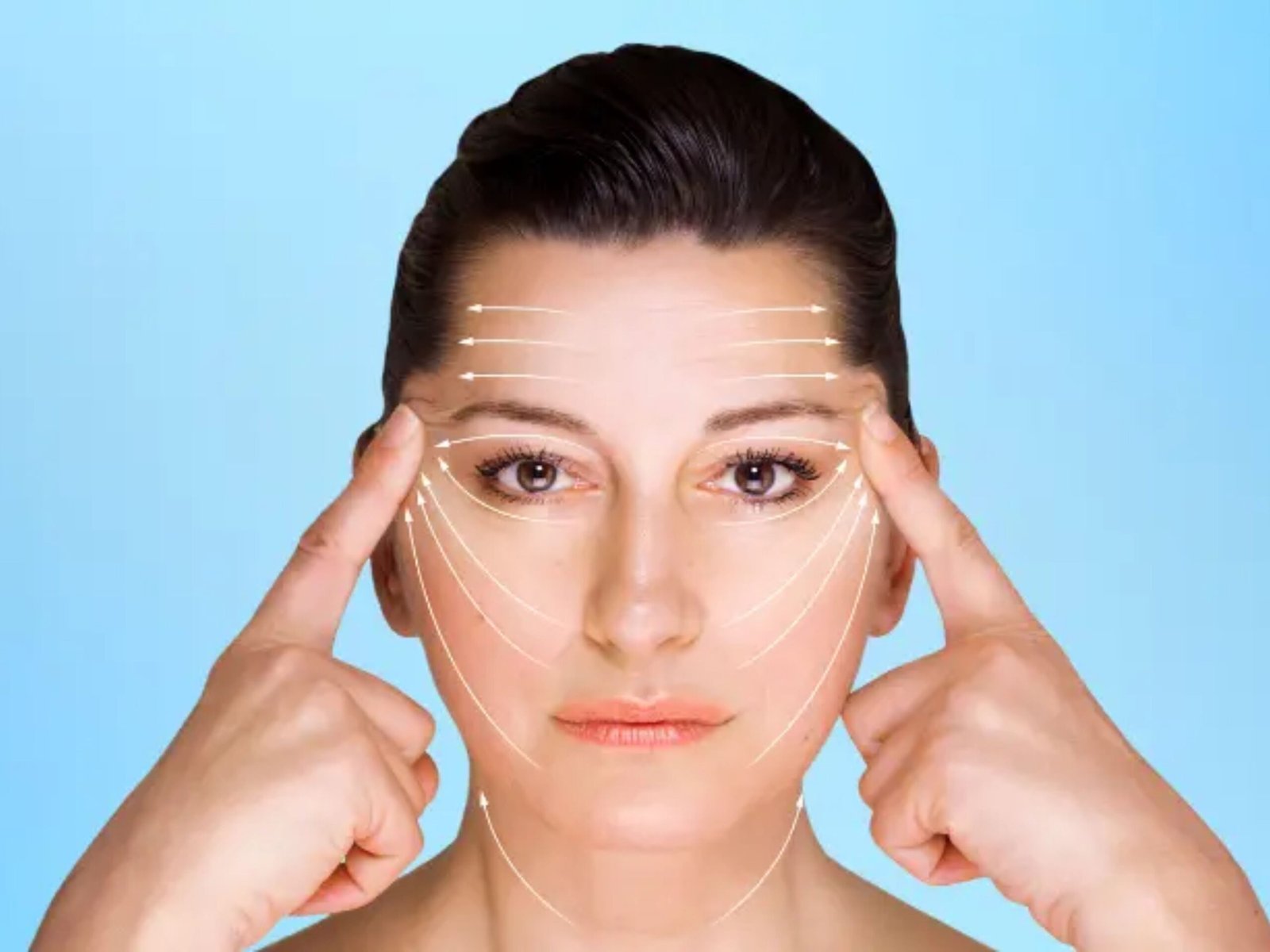
Your face contains specific pockets of fat that act like built-in cushions. Doctors call these facial fat compartments. They sit in different areas, like your cheeks, temples, and around your mouth. These fats give your face its shape, keep your skin looking full, and provide structural support that makes you look younger.
When those fat pads are full, your face looks rounded and smooth. When they shrink, the skin above them has less support.
During rapid weight loss, fat is pulled from those facial compartments, too. The faster you lose weight, the quicker those fat pads shrink. This can leave you with hollow temples, flatter cheeks, and deeper lines running from your nose to your mouth.
Skin elasticity changes with age and varies from person to person. Younger skin with good elasticity can tighten up better after fat loss. Skin with less elasticity may stay looser, making those contour changes more obvious.
One thing to remember here is that current medical evidence does not show that weight loss medications directly age your face. The changes come from the weight loss itself, especially when it happens quickly. People who lose weight through diet changes, illness, or surgery show the same facial changes.
Everyone has different facial anatomy. Some people have naturally fuller fat compartments. Others have less fat in their face to begin with. Your age and skin quality also play a big role. Younger skin with more elasticity will adjust better after fat loss. Older skin may not tighten up as much. This is why two people can lose the same amount of weight but end up with different facial changes.
Weight Management & Metabolic Health
Weight management not only affects appearance. It directly affects your heart, blood vessels, joints, hormones, and long-term disease risk.
Excess body fat, especially around the abdomen, increases the risk of type 2 diabetes, high blood pressure, high cholesterol, fatty liver disease, and cardiovascular disease. Even a modest weight loss of 5 to 10 per cent of your body weight can improve blood sugar levels, reduce blood pressure, and lower cholesterol.
Rapid Weight Loss: What Patients Should Know
Many people aim for fast results. However, rapid weight loss can have consequences.
When you lose weight quickly, your body does not lose fat alone. You may also lose muscle mass. Reduced muscle mass lowers your metabolic rate, which can make weight regain more likely. This pattern, often called weight cycling, links to poorer metabolic outcomes over time.
Rapid weight loss can also affect skin elasticity and facial volume. Fat beneath the skin supports facial structure. When fat reduces quickly, the skin may appear looser, particularly in people over 40, when collagen production has already declined. This change relates to normal ageing processes and reduced skin elasticity, not simply to the weight loss method itself.
Nutritional deficiencies are another risk. Very low-calorie diets may lack essential nutrients such as iron, calcium, and B vitamins. In severe cases, rapid weight loss increases the risk of gallstones due to changes in bile composition.
Medical Weight Management Options
We recommend steady, medically supervised weight reduction rather than extreme dieting.
A structured plan improves your chances of long-term success. You should begin with a full assessment. This includes weight, waist circumference, blood pressure, blood tests, and discussion of lifestyle habits. We also assess sleep, stress, and mental health because these factors influence weight.
Nutrition remains central. We encourage balanced meals with adequate protein, fibre, healthy fats, and whole foods. Protein helps preserve muscle mass during weight loss. Fibre improves satiety and supports gut health.
Physical activity supports fat loss and protects muscle. Resistance training is especially important because it maintains muscle mass and metabolic rate. Even two to three sessions per week can make a measurable difference.
For some patients, medication may be appropriate. Weight loss medicines can reduce appetite or improve blood sugar control. In certain cases, referral to allied health professionals such as dietitians or exercise physiologists adds further support.
Long Term Maintenance
Losing weight is one stage. Maintaining it is another.
Your metabolism adapts to weight loss by becoming more energy efficient. This means you may need ongoing lifestyle adjustments to prevent regain. Regular follow-up appointments help monitor progress and address challenges early.
Weight management is personal. There is no single solution that suits everyone.
Skin Health & Ageing
Your skin protects you from infection, regulates temperature, and acts as a barrier against environmental damage. Changes in your skin often reflect changes inside your body. That is why skin health deserves medical attention, not just a cosmetic concern.
Weight Changes and Facial Appearance
Especially in people over 40, Significant weight loss can alter facial structure. When fat volume decreases, the skin may appear looser.
Skin elasticity depends on collagen quality and overall health. Rapid weight changes give the skin less time to adapt. Slower, steady weight reduction may allow better adjustment, though age and genetics still influence outcomes.
If skin laxity or facial changes concern you, a GP assessment can help clarify causes and discuss appropriate options.
Why Skin Changes Over Time
Skin ageing is a gradual biological process. From your mid 20s, collagen production slowly declines. Collagen gives skin its structure and firmness. As levels drop, skin becomes thinner and less elastic.
Fat beneath the skin also reduces and shifts with age. This affects facial volume and contour. Combined with gravity and muscle movement, it leads to lines, sagging, and hollowing in certain areas.
Sun exposure plays a major role in premature ageing. Ultraviolet radiation damages collagen and elastin fibres. In Australia, high UV levels make sun protection essential year-round. Repeated sun damage not only accelerates wrinkles but also increases the risk of skin cancer.
Smoking further reduces blood flow to the skin. This limits oxygen delivery and speeds up collagen breakdown. Over time, smokers often develop deeper lines and a dull skin tone.
Hormonal changes also matter. During menopause, reduced oestrogen levels can thin the skin and reduce hydration. This contributes to dryness and increased fragility.
Data Source: