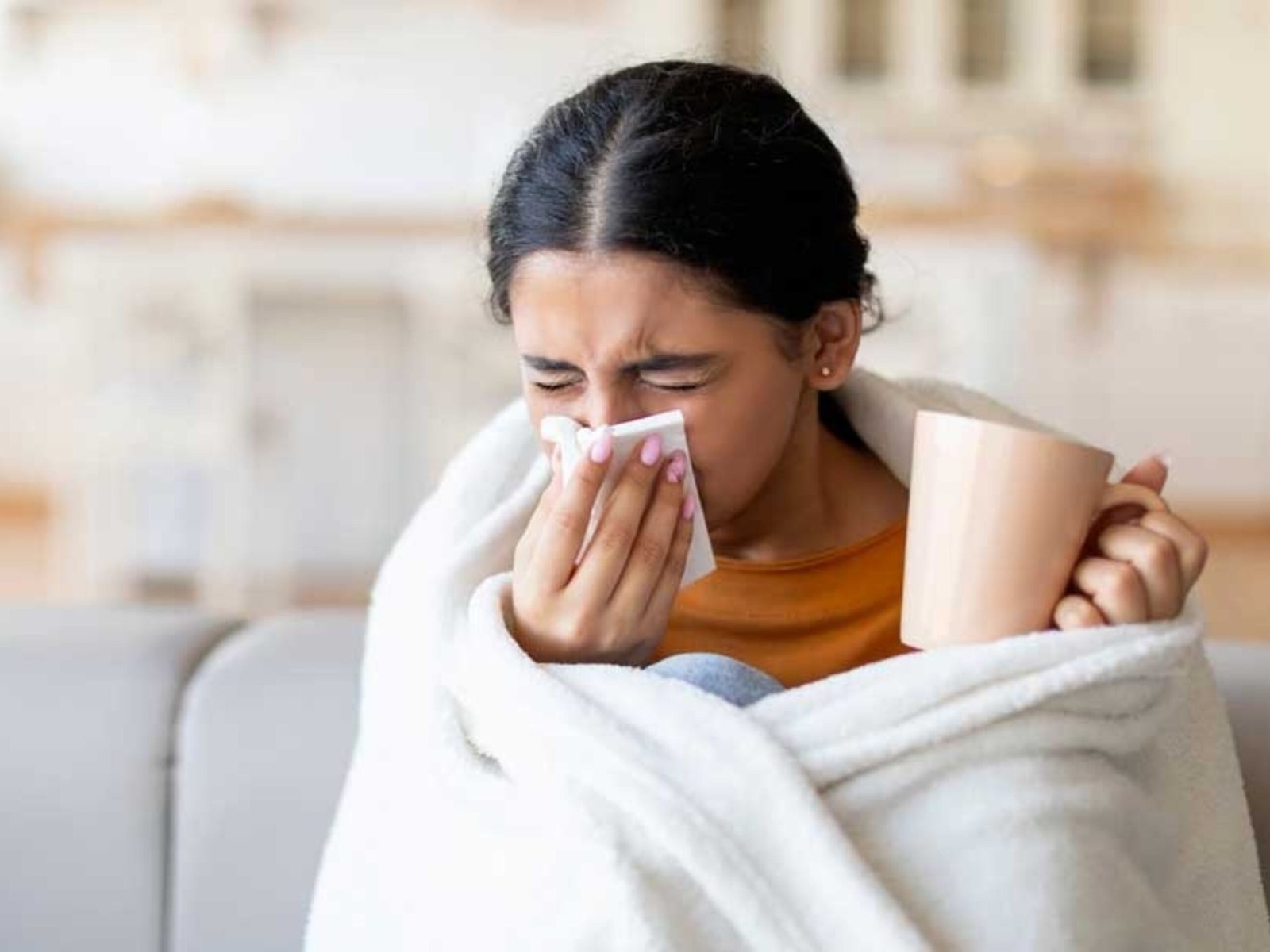
Do you feel that change in the air? The days are getting shorter, and there is a definite chill in the mornings. As the weather cools, we see a significant rise in colds, influenza, COVID-19, and other respiratory infections.
People spend more time indoors, viruses spread more easily, and chronic health problems can expand. In Australia, the flu season typically runs from May to October. But it’s not just the flu we need to think about. The change in weather can also trigger asthma, make joints ache for those with arthritis, and even affect our mood when we see less sunshine.
This guide shares practical steps to protect your health this autumn and winter, and explains when to see your GP for care.
How to Prevent Respiratory Infections This Autumn and Winter
Respiratory illnesses spike every year as the weather cools, but most serious cases are preventable. A few consistent habits, starting before winter arrives, make a genuine difference.
Get your vaccinations on time
Vaccination is still one of the best ways to avoid serious illness from flu and COVID-19. The flu vaccine lowers your risk of severe illness, hospitalisation, and complications like pneumonia.
If you’re eligible under the National Immunisation Program, the flu vaccine may be free. Many people can also get a COVID-19 vaccine at the same appointment. Check with your GP or practice nurse to find out what’s right for you.
Typically, health authorities like the National Centre for Immunisation Research and Surveillance (NCIRS) typically recommend receiving a flu vaccination in April or May to ensure optimal protection before the peak months.
Practice everyday infection control
Small daily habits go a long way. Wash your hands with soap and water for at least 20 seconds, particularly after coughing, sneezing, or catching public transport. You can use an alcohol-based hand rub when soap isn’t available.
Cover your mouth and nose with a tissue or your elbow when you cough or sneeze, and bin used tissues straight away. If you feel unwell, even mildly, stay home. It protects the people around you more than you might realise.
When respiratory viruses are circulating heavily, wearing a mask in crowded indoor spaces can help reduce spread, particularly if you’re at higher risk or live with someone who is.
Improve indoor air and home habits
Good ventilation helps lower the concentration of airborne viruses. Open windows when you can to let fresh air in, and use exhaust fans or HEPA air purifiers in shared spaces if you have them.
During peak illness periods, clean high-touch surfaces like door handles, light switches, and phones more frequently. Avoid sharing cups, water bottles, and utensils.
These habits might seem minor on their own, but combined with vaccination and early medical advice when you need it, they form a solid defence against the most common winter illnesses.
How to Manage Chronic Conditions During Colder Months
For anyone living with asthma, COPD, heart disease, diabetes, or another long-term condition, winter is the right time to sit down and review your care plan before symptoms get ahead of you.
Asthma and Breathing Conditions
Cold air can tighten the airways quickly, and for people with asthma or COPD, that can mean more coughing, chest tightness, and heavier reliance on a reliever inhaler. If you notice any of these signs picking up as temperatures drop, book a GP review.
Your doctor can check your inhaler technique, update your asthma action plan, and confirm you are still on the right preventer dose. Always carry your reliever inhaler with you, particularly when you are heading outdoors.
Heart Disease and High Blood Pressure
Cold temperatures cause blood vessels to narrow, which can push blood pressure up and make the heart work harder than usual. If you have heart disease or hypertension, this matters. Take your medicines exactly as prescribed, monitor your blood pressure at home if your doctor has recommended it, and do not wait around if you notice new symptoms. Chest pain, shortness of breath, or swelling in the legs all need prompt medical attention.
Diabetes and Illness Management
Being unwell in winter, even with something as minor as a cold, can send blood glucose levels higher than expected. It is important to follow your sick day plan during any illness, check your blood sugar more frequently, and keep up your fluid intake. If your readings stay high or you are struggling to keep fluids down, contact your doctor or care team without delay.
Keeping Your Home Safely Warm
A warm home is part of managing a chronic condition well, especially for older adults. Aim for a steady, comfortable indoor temperature throughout the day. One thing worth highlighting is heating safety. Never use outdoor gas heaters or barbecues inside the home. They produce carbon monoxide, a colourless, odourless gas that can be fatal without any warning signs.
Who Needs Extra Care During The Season Change
Some groups face higher risks in autumn and winter, but a little planning goes a long way.
Children:
Children catch respiratory viruses more easily because their immune systems are still developing, and they mix closely with others at school. During the season change, flu can cause high fever, ear infections, and sometimes hospitalisation.
To stay safe, keep vaccinations up to date, teach regular handwashing and good hygiene habits, and watch fluid intake during fever, as dehydration sets in fast. Get medical help urgently if your child has breathing difficulty, persistent high fever, unusual drowsiness, or is not drinking.
Pregnant women
Pregnant women are at higher risk of serious flu complications due to changes in the immune, heart, and respiratory systems. The flu vaccine is safe in pregnancy and provides some protection to the baby, too. If you develop fever, cough, or breathing symptoms, contact your GP early.
Older adults
Older adults (65+) are more vulnerable to severe respiratory illness, especially those with chronic conditions. Vaccination is a priority. Stay socially connected but avoid close contact with sick people. Keep your home warm, check heating safety, and reduce fall risks with good lighting and clear floors.
Watch for subtle warning signs like confusion, chest pain, shortness of breath, or sudden weakness, and seek care promptly.
Book a Winter Health Check
A straightforward winter check at your medical centre can catch small issues before they become serious ones. Your doctor can review your current medicines, update any management plans, and make sure your vaccinations are current before the peak of respiratory season. It takes a short visit to stay well ahead of what winter can throw at a chronic condition.
Data Source:
- Australian Immunisation Handbook for vaccine details and dosing schedules.
- NSW Health for the local vaccine program and seasonal campaigns.
- HealthDirect (national consumer health advice) has clear patient-facing FAQs on flu vaccine and home care.
- Department of Health National Immunisation Program advice (seasonal influenza vaccine program details).