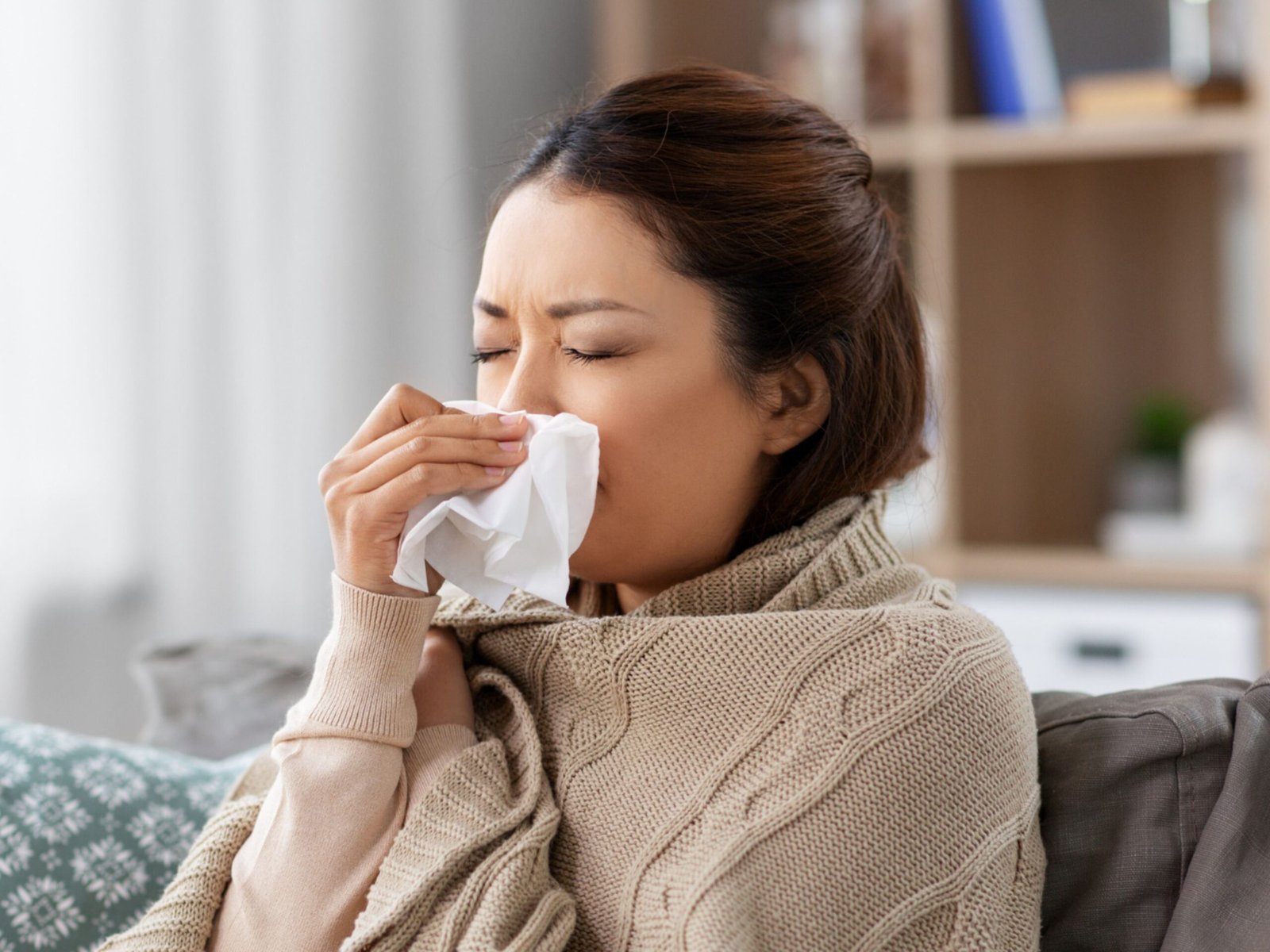

A cough is a natural reflex that helps clear your airways. Your body uses it to remove mucus, dust, smoke, germs, or anything else that irritates your throat and lungs. In most cases, coughing protects you. It is not a disease on its own. It is a symptom.
Types of Coughs and What They Mean
All coughs do not feel the same. The sound, timing, and whether you bring up mucus can give useful clues about the cause.
Below are the most common types of cough and what they often mean.
Dry Cough
A dry cough does not produce mucus or phlegm. It can feel tickly or irritating in the throat. You may find yourself coughing in short bursts that do not seem to clear anything. A dry cough often lingers after a cold.
This is known as a post-viral cough. Even when the infection has cleared, the airways can stay sensitive for several weeks. If a dry cough lasts more than 3 weeks or keeps you awake at night, it is worth discussing with your GP.
Common causes include:
- Viral infections such as the common cold or COVID 19
- Asthma
- Allergies
- Exposure to smoke or pollution
- Gastro-oesophageal reflux
Wet or Chest Cough
A wet cough produces mucus. You may hear a rattling sound in the chest or feel congestion. This type of cough helps clear fluid and mucus from the lungs.
Mucus can be clear, white, yellow, or green. Colour alone does not always mean you need antibiotics. Many viral infections cause yellow or green mucus. Bacterial infections are less common than viral ones.
If you have a wet cough with high fever, shortness of breath, chest pain, or symptoms that worsen instead of improve, you should seek medical care.
Common causes include:
- Common cold
- Acute bronchitis
- Pneumonia
- Chronic obstructive pulmonary disease
- Smoking
Persistent or Chronic Cough
A cough that lasts more than 8 weeks in adults is considered chronic. In children, a cough lasting more than 4 weeks needs review.
In some cases, blood pressure medicines known as ACE inhibitors can also cause a dry, ongoing cough.
Chronic cough can affect sleep, work, and quality of life. It is not something you should ignore. A proper assessment can usually identify the cause and guide treatment.
The most common causes of chronic cough in Australia include:
- Asthma
- Gastro-oesophageal reflux disease
- Postnasal drip from chronic sinus issues
- Smoking
Night-Time Cough
If your cough is worse at night, it often points to a specific trigger. When you lie down, mucus can pool in the back of the throat. Stomach acid can also move more easily into the oesophagus. Both can trigger coughing.
A night cough that disrupts sleep should be checked, especially in children.
Possible causes include:
- Asthma
- Reflux
- Postnasal drip
- Heart conditions in older adults
Barking Cough
A barking cough sounds harsh, similar to a seal. It is most common in young children and often linked to croup. Croup usually affects children under 5 and often follows a viral infection.
Most cases are mild and improve within a few days. However, if a child struggles to breathe, makes high pitched noises when inhaling, or appears distressed, seek urgent medical attention.
Symptoms can include:
- Hoarse voice
- Noisy breathing
- Symptoms that worsen at night
Whooping Cough
Whooping cough, also called pertussis, causes severe coughing fits. After a series of rapid coughs, the person may take a deep breath that makes a “whoop” sound. Australia includes pertussis vaccination in the National Immunisation Program. Even so, outbreaks still occur. Infants are at higher risk of complications.
If you suspect whooping cough, especially in a baby or unvaccinated person, see a doctor promptly.
Other signs include:
- Vomiting after coughing
- Exhaustion
- Cough lasting for weeks
Coughing Up Blood
Coughing up blood, even small streaks, should never be ignored. It can be caused by infections, lung disease, or more serious conditions. Early assessment is important to rule out serious causes.
Seek urgent medical care if you cough up:
- More than a teaspoon of blood
- Bright red blood
- Blood with chest pain or shortness of breath
Preventing Coughs
You cannot avoid every cough, but you can reduce your risk.
Stay up to date with vaccinations.
Influenza, COVID-19, and pertussis vaccines lower the risk of serious respiratory infections. In Australia, these vaccines are part of national programs for children, adults, and higher risk groups. Vaccination not only protects you, it also protects vulnerable people around you.
Wash your hands regularly.
Respiratory viruses spread through droplets and contaminated surfaces. Wash your hands with soap and water for at least 20 seconds, especially after coughing, sneezing, or being in public places.
Avoid smoking and second hand smoke.
Smoking irritates the airways and increases mucus production. It is one of the leading causes of chronic cough and chronic obstructive pulmonary disease. Quitting smoking improves lung function and reduces coughing over time.
Manage chronic conditions well.
If you have asthma, follow your action plan and use preventer inhalers as prescribed. Good asthma control reduces flare ups and night coughing.
Limit exposure to irritants.
Dust, pollution, strong cleaning products, and chemical fumes can trigger coughing. Improve ventilation at home and use protective equipment if exposed to irritants at work.
Small daily habits can lower your risk of infection and reduce the chance of developing a persistent cough.
When Should You See a Doctor for a Cough?
Most coughs clear up on their own. But some symptoms need medical attention.
Book an appointment if you have:
- A cough lasting more than 3 weeks
- Shortness of breath or chest pain
- High or persistent fever
- Coughing up blood
- Unexplained weight loss
- A history of asthma, lung disease, or heart disease
Also see your doctor if your cough is getting worse, not better.
Early assessment can identify conditions like asthma, pneumonia, acid reflux, or chronic sinusitis, and give you a clear treatment plan.
Seek urgent care immediately if you have sudden severe breathing difficulty, chest tightness, or cough up large amounts of blood.
Data sources