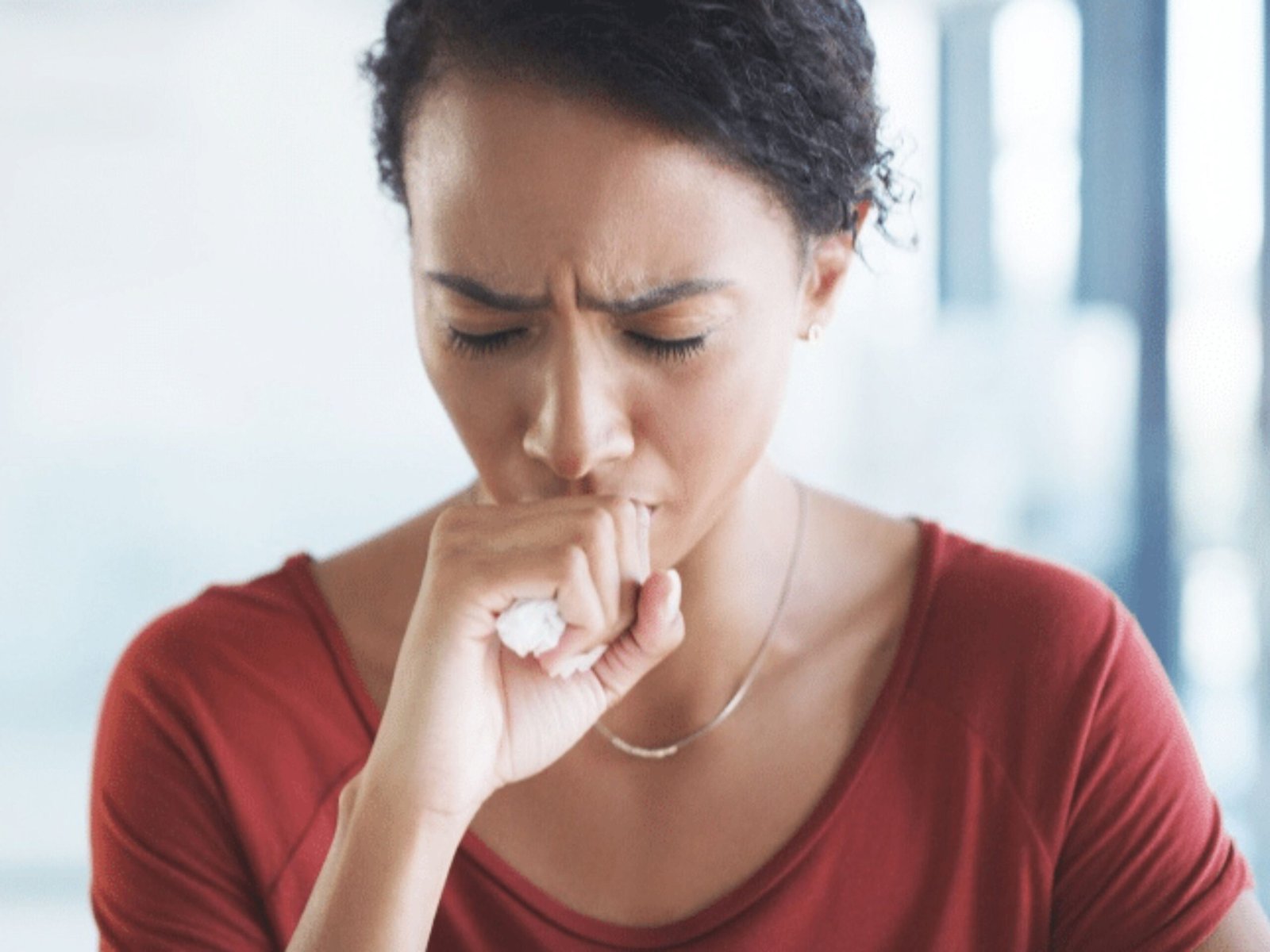
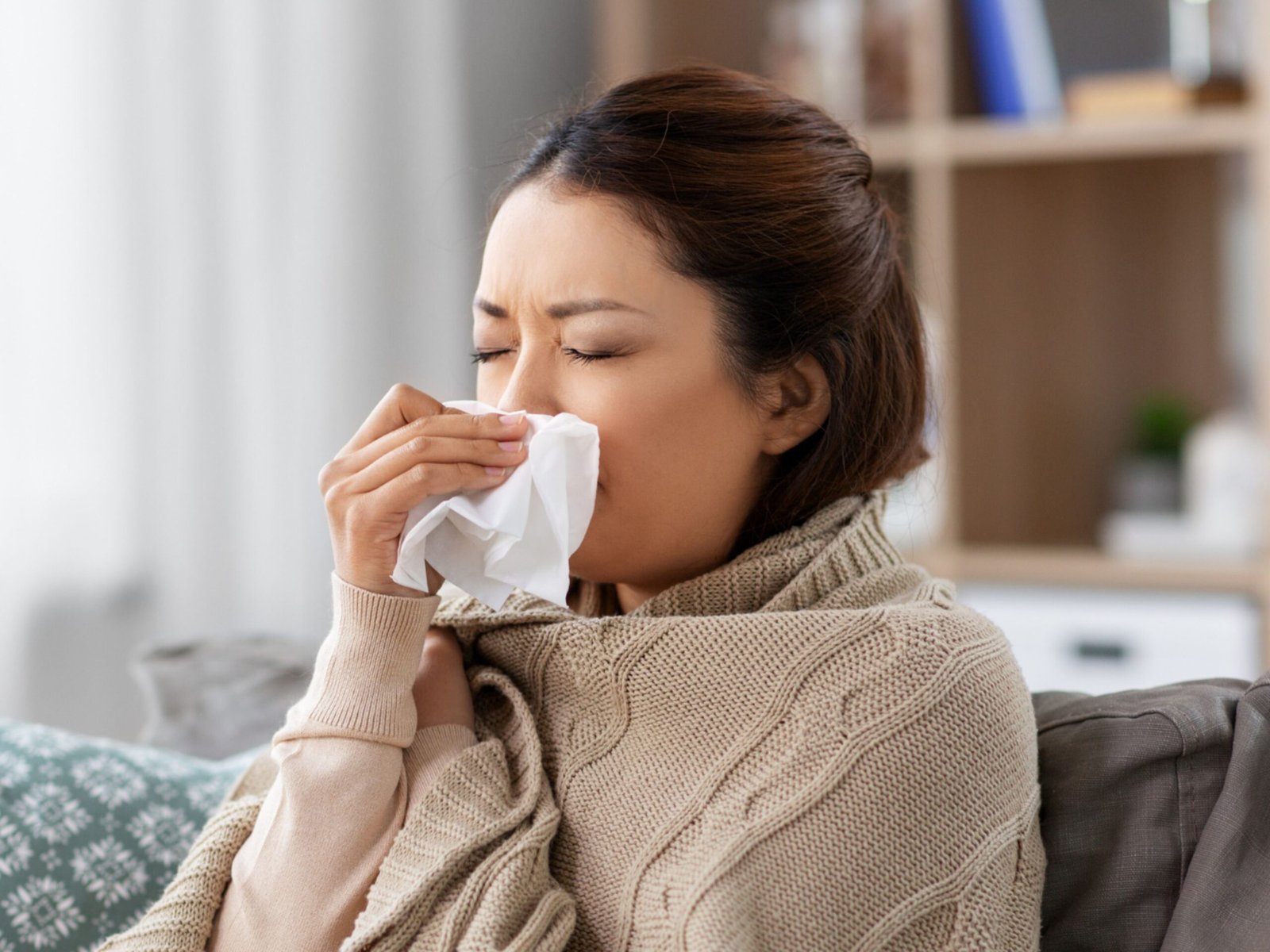
Influenza is a contagious respiratory illness caused by influenza viruses that infect your nose, throat, and sometimes lungs. It hits fast. You might feel fine in the morning and struggle to get out of bed by afternoon. Every year in Australia, thousands end up in hospital because of it. Some die from complications.
Flu season in Australia runs from June to September, with cases sometimes appearing as early as May. The virus grows in colder months when people spend more time indoors together. Influenza also mutates over time, so last year’s vaccine won’t protect you now.
Flu vs. The Common Cold
Often, people mix up colds and flu constantly. The confusion is normal as they share some symptoms. But the differences matter for how you handle your illness and when you need medical help.
| Symptom | Flu | Common Cold |
| Onset | Sudden, within hours | Gradual, over days |
| Fever | Common, often 38°C+ | Rare in adults |
| Body aches | Severe and widespread | Mild, if any |
| Fatigue | Extreme, can last weeks | Mild to moderate |
| Cough | Dry and persistent | Sometimes productive |
| Sore throat | Sometimes | Very common |
| Runny nose | Sometimes | Very common |
The “Stomach Flu” Confusion
“Stomach flu” is actually gastroenteritis, not influenza. Influenza is a respiratory illness. While children with flu sometimes vomit, the vomiting and diarrhoea most people call “stomach flu” is a completely different virus with different treatment.
#1 How to Defend The Seasonal Flu?
Nothing comes close to the flu vaccine for protection during flu season, it’s your best option.
How Vaccine Works
The vaccine trains your immune system to recognise influenza viruses by building antibodies before the real virus arrives. When the vaccine matches circulating strains well, it reduces your risk of getting sick by 40 to 60 percent (Australian Department of Health and Aged Care).
Even when the match is imperfect, vaccinated people tend to have milder symptoms and lower hospitalisation risk. During the 2019 Australian flu season, vaccination prevented an estimated 40,000 GP visits and 5,500 hospitalisations.
The vaccine contains an inactivated virus, so you cannot get the flu from the shot. Your body takes about two weeks to build full protection, which is why timing matters.
When to Get Vaccinated
Book your vaccination in April or May. That gives you protection before cases climb in June, lasting through peak months. If you miss that window, get vaccinated anyway as flu season can stretch into October.
Who Should Get The Vaccine
The vaccine is free under the National Immunisation Program for all high-risk groups. If you live with someone in these groups, vaccinating yourself protects them too.
Everyone aged six months and over, but especially:
- Children aged six months to five years
- Pregnant women
- People aged 65 and over
- Aboriginal and Torres Strait Islander people
- People with chronic conditions like asthma, diabetes, or heart disease
- People with weakened immune systems
#2 Build Your Daily Defences with Hygiene and Healthy Habits
The vaccine is your primary protection, but daily habits add important layers. Influenza spreads through droplets when people cough or sneeze, and through contaminated surfaces when you touch your face. Good habits block both paths.
Hand Hygiene
Your hands touch everything, then you touch your face. That’s how the virus gets in.
Wash with soap and water for at least 20 seconds, scrubbing palms, backs of hands, between fingers, and under nails. Do it after returning from public places, before eating, after coughing or sneezing, and after touching shared surfaces.
When soap isn’t available, use hand sanitiser with at least 60 per cent alcohol. Regular handwashing can reduce your risk of respiratory infections by roughly 16 to 21 per cent.
Cover Coughs and Sneezes
Don’t cough into your hand. You’ll transfer germs to every surface you touch next. Cough or sneeze into your elbow instead. If you use a tissue, dispose of it immediately and wash your hands.
Keep Your Distance
Flu droplets can reach people one to two metres away. Give visibly sick people space, and if you’re unwell, stay home. Be especially cautious in crowded indoor spaces during peak season in August and September.
Stop Touching Your Face
People touch their faces an average of 23 times per hour, usually without realising it. The eyes, nose, and mouth are direct entry points for the virus. You can’t stop completely, but washing your hands more often means that when you touch your face, your hands are cleaner.
Clean High-Touch Surfaces
The flu virus survives on surfaces for 24 to 48 hours. Door handles, light switches, phones, keyboards, and remote controls all need regular wiping with household disinfectant, especially when someone at home is sick.
Support Your Immune System
A strong immune system gives you a better chance even when exposed. A few things that genuinely help:
- Sleep: Adults need seven to nine hours. People sleeping less than seven hours are nearly three times more likely to catch a virus when exposed compared to those sleeping eight or more hours.
- Nutrition: A balanced diet with plenty of fruits and vegetables supports immune function. Vitamin C, zinc, and vitamin D all play a role.
- Exercise: 30 minutes of moderate activity most days improves circulation and reduces inflammation.
- Stress management: Chronic stress raises cortisol, which suppresses immunity over time.
Face Masks
Masks add useful protection in crowded indoor spaces during peak season. If you’re sick and must go out, wearing one protects others. They only work properly when covering both nose and mouth with no gaps.
#3 Recognise the Enemy with Flu Symptoms
Even with good habits and vaccination, you can still get sick. Knowing the flu’s pattern helps you act quickly.
The flu doesn’t ease you in. One hour you’re fine, the next you’re shivering with every muscle aching. That rapid onset is your first clue. Colds develop gradually over days. The flu hits within hours
.
Common Symptoms of Flu
Most people with the flu experience a combination of these:
- Fever and chills: Temperature of 38°C or higher, sometimes with uncontrollable shaking.
- Dry, persistent cough: Often worse at night, leaving your chest sore and throat raw.
- Sore throat: Appears early and makes eating and drinking uncomfortable.
- Runny or stuffy nose: Not everyone gets this, but it adds to the general misery.
- Muscle and body aches: Your back, legs, and muscles ache like you’ve run a marathon. Even your skin can feel tender.
- Headaches: Often severe, sitting behind the eyes or across the forehead, and not always responding well to pain relief.
- Extreme fatigue: Not just tiredness. Getting up to use the bathroom feels like a major effort. Studies show flu fatigue can last two to three weeks in some people, even after other symptoms clear.
Less Common Symptoms of Flu
Children with the flu often vomit or have diarrhoea. Adults are less so. Young children may also seem unusually fussy or refuse to eat and drink. Always take these signs seriously.
The Timeline of Symptoms
Day one hits hardest with fever and aches at their peak. Days two and three bring more of the same, with fever coming and going and the cough potentially worsening. By day four or five, most people start improving, though cough and fatigue often linger for up to two weeks after the fever clears.
Keep a note of when your symptoms started. If you see a doctor, they’ll ask, and that timing matters for treatment decisions.
When It’s Not the Flu
COVID-19 looks almost identical to influenza and cannot be distinguished without a test. Other viruses like RSV and parainfluenza can also mimic flu symptoms. The key difference is severity and speed. Real flu floors you within hours. If symptoms are mild and came on slowly, you’re likely dealing with something else.
Only a lab test can confirm influenza. If you’re in a high-risk group or need to know for treatment decisions, your doctor can arrange a nasal swab.
Why Early Recognition Matters
Antiviral medications work best when started within 48 hours of symptoms appearing. After that window, they become less effective. For high-risk people, early treatment can be the difference between recovering at home and ending up in the hospital.
What Symptoms Mean for Your Daily Life
When the flu hits, you need to rest and stay away from others. Plan ahead by keeping basics at home: paracetamol, tissues, and hydrating drinks so you don’t need to go out while contagious.
# 4 What To Do If You Get Sick
First, rest is the treatment, not optional. Stay home from work, keep children home from school, and cancel plans. People who rest fully in the first three days recover faster with fewer complications than those who push through.
Stay home until you’ve been fever-free for at least 24 hours without fever-reducing medication. If paracetamol brought your fever down, that doesn’t count. Wait until it stays normal on its own.
Managing Symptoms at Home
- Fluids: Fever dehydrates you. Water is best, clear broths help, herbal tea soothes a sore throat. Avoid alcohol and caffeine. Pale urine means you’re drinking enough.
- Moist air: A humidifier or steamy shower soothes irritated airways and loosens mucus.
- Heat: A hot water bottle on aching muscles or a warm bath eases pain.
Over-the-Counter Medications
It’s best to check with your pharmacist before combining products. Many contain the same ingredients, and doubling up on paracetamol can be dangerous.
- Fever and aches: Paracetamol or ibuprofen both work. Some people alternate them. Follow dosing instructions carefully and write down what you take and when.
- Stuffy or runny nose: Antihistamines help with runny noses, decongestants with stuffiness. Don’t use decongestant sprays for more than three days.
- Cough: Dextromethorphan suppresses a dry cough. Guaifenesin thins mucus if you need to cough it up.
- Sore throat: Lozenges, warm tea with honey, or gargling half a teaspoon of salt in warm water all help.
The Antiviral Window
Antivirals work best within 48 hours of symptoms starting, reducing illness duration by about a day and cutting complication risk by around 30 per cent. If you’re in a high-risk group, call your doctor as soon as symptoms begin.
#5 Who Should See a Doctor Promptly
Contact your GP early if you have a chronic condition, are pregnant, are 65 or older, are caring for an infant, have severe symptoms from the start, or aren’t improving after three days.
What Not to Do
- Don’t ask for antibiotics. Flu is viral, and antibiotics won’t help.
- Don’t give aspirin to children or teenagers during viral illness without consulting your GP.
- Don’t smoke or vape. Your lungs are already under attack.
- Don’t push through. It delays recovery and raises the risk.
Warning Signs That Need Medical Attention
- A fever that returns after being gone for 24 hours
- Cough producing thick, yellow, green, or bloody mucus
- Chest pain or difficulty breathing
- Confusion or disorientation
- Severe dizziness or feeling faint
- Very little or no urination
- Seizures
- Severe headache that doesn’t respond to pain relief
Looking After Your Household
Stay in one room as much as possible, use a separate bathroom if you can, and sleep alone. Clean shared surfaces daily. Open windows to improve ventilation. If possible, designate one healthy person as the caregiver.
Recovery
Fever breaking and staying down is the sign you’re turning a corner. Cough can linger one to three weeks as your airways heal, which is normal. Fatigue can last two weeks or more. Rest, eat well, and be patient with yourself.
Disclaimer:
The information in this article is for general educational purposes only. It does not replace professional medical advice, diagnosis, or treatment.
Data Sources:
- https://www.cdc.gov.au/diseases/seasonal-flu-seasonal-influenza
- https://www.sahealth.sa.gov.au/wps/wcm/connect/Public+Content/SA+Health+Internet/Clinical+Resources/Clinical+Programs+and+Practice+Guidelines/Infectious+disease+control/Influenza/Influenza+information+for+health+professionals
- https://www.healthywa.wa.gov.au/sitecore/content/Corporate/News/2025/New-needle-free-influenza-vaccine-to-protect-WA-children
- https://immunisationcoalition.org.au/influenza-statistics/?trk=article-ssr-frontend-pulse_little-text-block
- https://thenightly.com.au/society/health/super-k-flu-strain-sparks-concern-as-australia-braces-for-brutal-season-in-2026-c-21280827
- https://www.cdc.gov/clean-hands/data-research/facts-stats/