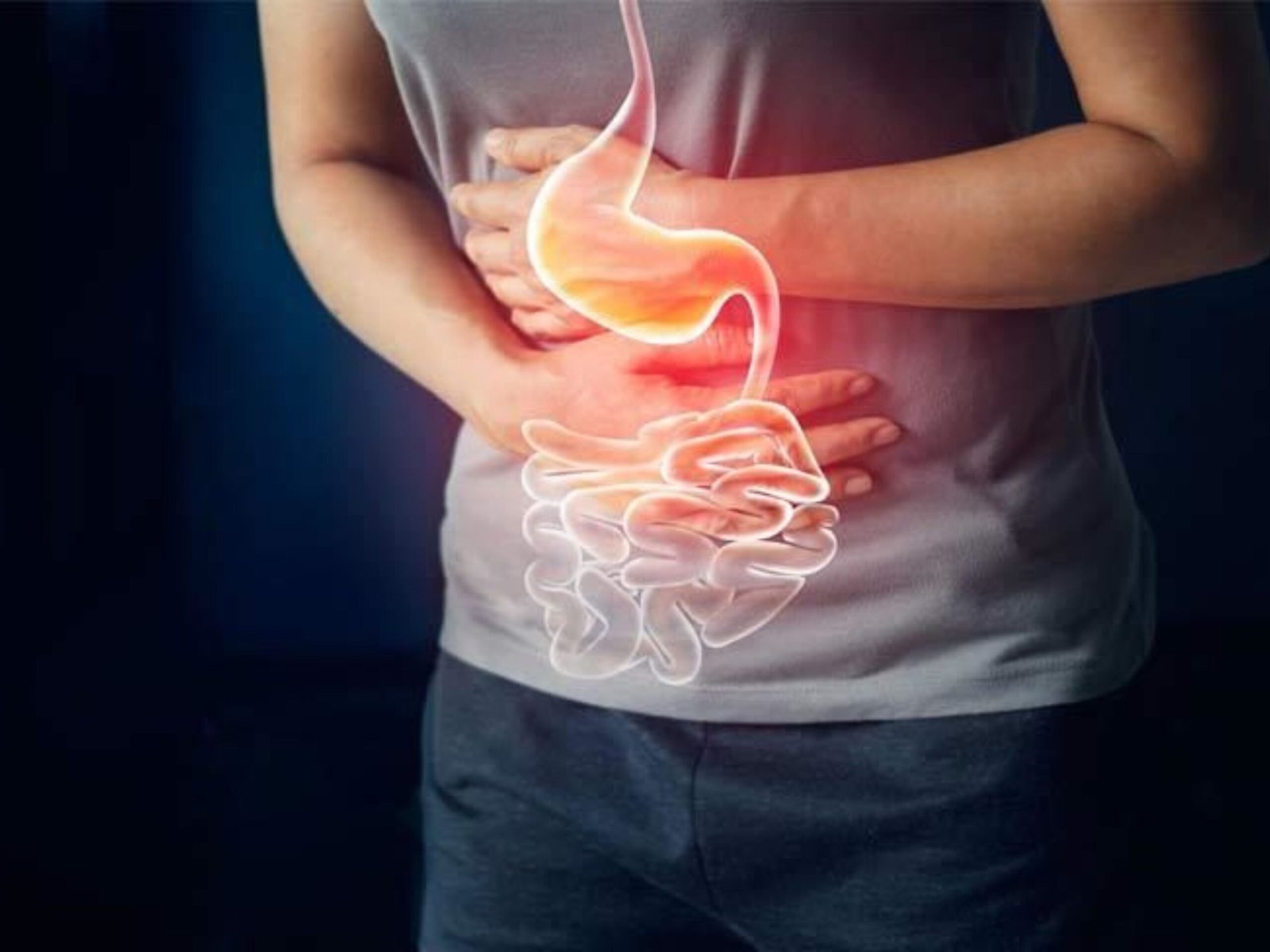
Gastrointestinal diseases affect the digestive system, which includes everything from the oesophagus down to the anus, plus the liver, gallbladder, and pancreas. They are extremely common and range from mild, short-lived issues to chronic conditions needing lifelong management.
Common Gastrointestinal Diseases
The Doctors group Gastrointestinal Diseases in two ways. The first is by duration. Acute GI diseases come on suddenly, often from an infection or something you ate, and usually resolve on their own. Chronic GI diseases persist for months or years and need ongoing management.
The second distinction is more important for diagnosis and treatment. Functional GI diseases mean the gut looks normal on tests but does not work properly. The nerves and muscles are oversensitive and misfire in response to normal stimuli like food or gas.
Common examples include IBS, functional dyspepsia, and functional constipation. Because tests come back normal, patients are sometimes told it is all in their heads. It is not.
Structural GI diseases involve actual physical damage or abnormality that is visible during a scan or procedure. Examples include GORD, IBD, coeliac disease, peptic ulcers, gallstones, and colon polyps.
The following sections cover the most common gastrointestinal diseases. For each one, we explain the symptoms, how it is diagnosed, and the management options available. It will help you understand your own body and know when to seek help from a medical professional.
#1 Constipation
Constipation means fewer than three bowel movements per week, or passing hard stools with significant straining. Both frequency and effort matter.
Management starts with simple changes. Gradually increase fibre through fruits like pears and berries, vegetables, legumes, and whole grains. Drink 1.5 to 2 litres of water daily, as fibre without enough fluid can actually make things worse. Regular movement helps too, since even a 20 to 30-minute daily walk stimulates the intestinal muscles.
How to manage constipation
Try to establish a toilet routine, ideally after breakfast, to work with your body’s natural gastrocolic reflex that signals the colon to empty after eating. If lifestyle changes are not enough, laxatives can help, but speak to your GP before starting them.
See a doctor if symptoms last longer than three weeks, you have severe abdominal pain, blood in your stool, unexplained weight loss, a family history of bowel cancer, or a sudden change in bowel habits, particularly if you are over 50.
#2 Irritable bowel syndrome (IBS)
IBS is a functional disorder, meaning the gut looks normal on tests but does not work properly. The nerves and muscles in the bowel are oversensitive and overreact to food, stress, or hormones. It is diagnosed based on symptoms, often using the Rome IV criteria, since there is no single definitive test.
Common symptoms include abdominal pain and cramping, bloating, excess gas, and changes in bowel habits that vary from person to person.
How to manage IBS
Managing IBS is not about finding one cure. It is about identifying what works for you, since triggers differ between individuals. Caffeine, alcohol, and fatty foods are common culprits, but your triggers may be different. Keeping a food and symptom diary is one of the most practical steps you can take. It is best done with guidance from a GP or dietitian rather than cutting out foods on your own, as unnecessary elimination can affect your nutrition.
If dietary and lifestyle changes are not enough, your doctor may recommend medication based on your specific symptoms.
#3 Acid Reflux/GERD
GORD happens when stomach acid flows backwards into the oesophagus. It is more than the occasional heartburn after a big meal. When it happens regularly, it is worth taking seriously.
Common symptoms include heartburn, regurgitation, difficulty swallowing, and laryngitis.
How to manage GERD
Management starts with lifestyle changes. Eat smaller meals and avoid lying down for at least two to three hours after eating. Raise the head of your bed by 15 to 20 centimetres using blocks under the frame, not just extra pillows, as gravity helps keep acid where it belongs. Keeping a food diary helps identify personal triggers, though common ones include coffee, chocolate, tomatoes, spicy foods, and alcohol. If lifestyle changes are not enough, your GP can prescribe medication.
See a specialist if symptoms persist despite medication, you have trouble swallowing, you are losing weight without trying, or there is blood in your vomit or stool. A gastroenterologist may recommend an endoscopy, which uses a thin flexible camera to examine the oesophagus and stomach, helping to rule out more serious conditions and guide further treatment.
#4 Hemorrhoids
Haemorrhoids, or piles, are swollen veins in the rectum and anus. Most people will experience them at some point. They come in two types: internal (inside the rectum, usually painless) and external (under the skin around the anus, more likely to cause itching and discomfort).
The main causes include straining during bowel movements, chronic constipation or diarrhoea, sitting too long, pregnancy, obesity, a low-fibre diet, and ageing.
Symptoms vary. Internal haemorrhoids often cause bright red blood after a bowel movement. External ones cause itching, pain, swelling, or a hard lump near the anus. Note: never assume blood in the stool is just haemorrhoids. Always get it checked by a doctor.
How to manage Haemorrhoids
Treatment starts at home. Eat more fibre, drink plenty of fluids, take warm baths, use ice packs, and avoid rubbing the area. Over-the-counter creams can help in the short term.
If that is not enough, a doctor can perform rubber band ligation, sclerotherapy, or coagulation to shrink the haemorrhoid. Severe cases may need surgery. But hopefully, haemorrhoids are rarely serious, and effective treatment is available.
#5 Indigestion (dyspepsia)
Indigestion, or dyspepsia, is not a single disease. It is an umbrella term for upper gut discomfort, including bloating, burning, nausea, belching, and feeling full too quickly. Almost everyone experiences it occasionally, but for some, it becomes a regular issue.
Common triggers include eating too fast, fatty or spicy foods, caffeine, alcohol, stress, smoking, and certain medications like ibuprofen. Sometimes it signals an underlying condition such as acid reflux, gastritis, peptic ulcers, gallstones, or an H. pylori infection.
When no cause can be found, it is called functional dyspepsia. The stomach appears normal on tests, but the nerves are oversensitive, and digestion does not work properly. It is thought to affect up to 1 in 5 Australians.
How to manage dyspepsia
Treatment starts with lifestyle changes: eat smaller, slower meals, avoid trigger foods, manage stress, and stop smoking. Keeping a food and symptom diary for two weeks can help identify personal triggers.
If that is not enough, antacids, H2 blockers, or proton pump inhibitors can help. Functional dyspepsia may be treated with prokinetics or low-dose antidepressants to calm gut nerve sensitivity.
See a doctor if symptoms last more than two weeks, or if you experience unexplained weight loss, difficulty swallowing, vomiting, or blood in your stool.
Gastrointestinal diseases can be prevented
Your digestive health affects how you feel every day, from your energy levels to your mood and your ability to enjoy food and social life. When your gut is struggling, your whole body feels it.
You do not need to suffer in silence. Bloating, pain, irregular bowels, and discomfort are signals worth paying attention to. In most cases, the right advice and treatment can bring real relief.
Many gastrointestinal conditions are manageable or even reversible when caught early. This is especially true for colon cancer. The National Bowel Cancer Screening Program is free, simple, and effective. If you are over 50 and have not completed your screening kit, it is worth doing this week.
If something is bothering you, start with your GP. You do not need a diagnosis before walking in. Just describe what you are feeling. A good GP will listen, ask the right questions, and point you in the right direction.
Data Source