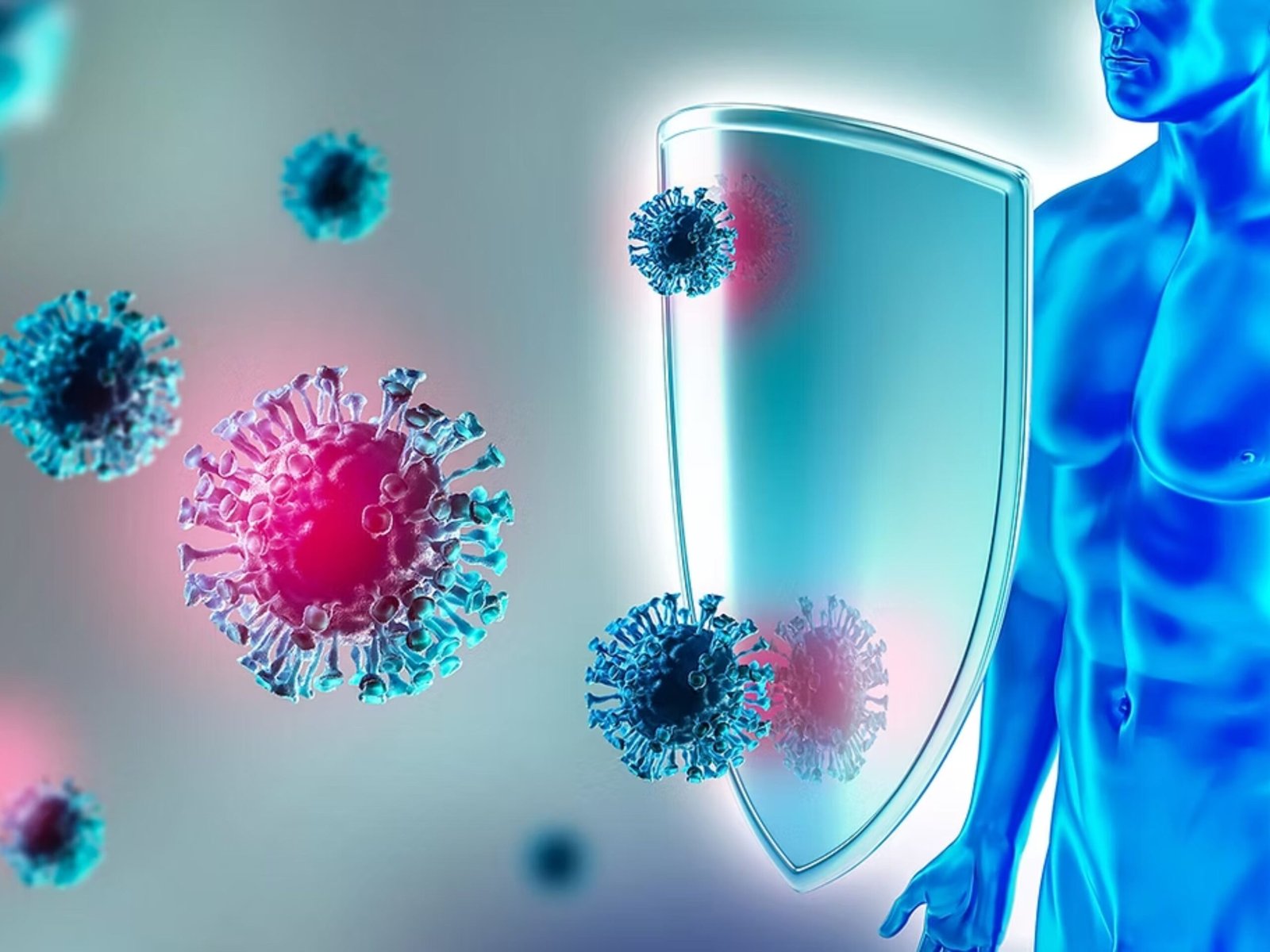
Your immune system is your body’s built-in defence network. It protects you from harmful germs such as bacteria, viruses, fungi and parasites. It also helps remove damaged cells and keeps an eye on abnormal changes inside your body.
It helps identify what belongs in your body and what does not. When it spots a threat, it acts quickly to control and remove it. Actually, it’s a complex system made up of cells, tissues and organs that work together.
#1 The Innate Immune System – The Rapid Response Patrol
Innate immunity systems respond fast and target a wide range of threats. When germs get past your outer defences, your innate immune system kicks in. It does not need to identify the specific intruder. Its job is simple: spot anything foreign and remove it fast.
The Generalists on Guard
These cells respond to all threats the same way. Many bacteria have surface molecules that human cells do not. When an innate immune cell detects those foreign patterns, it attacks within minutes, no prior training needed.
Meet the Phagocytes: The Clean-Up Crew
Phagocytes, the name means “to eat a cell” in Greek, which is exactly what they do. When a phagocyte finds a germ, it engulfs it and destroys it with enzymes. This is called phagocytosis.
Two key types:
- Neutrophils are the most abundant immune cells in your blood. They are first responders who rush in, attack, and often die in the process. The pus in a wound is mostly dead neutrophils and consumed debris.
- Macrophages are larger and longer-lived. They clean up what neutrophils leave behind and help with tissue repair. A single macrophage can consume up to 100 bacteria.
Cytokines
Immune cells communicate through small protein signals called cytokines. When a phagocyte spots an invader, it releases cytokines to call more immune cells to the site, widen blood vessels for faster access, and trigger inflammation.
Reduce Inflammation Visibly
The heat, redness, and swelling at an infection site are not random. Heat slows germ reproduction. Swelling happens as fluid and immune cells flood the area to flush out toxins. When you see a red, swollen spot after a splinter, that is your innate system at work.
When the Innate System Needs Backup
The innate system handles most common threats, but some invaders multiply quickly or hide inside cells. If the infection is not cleared within a few days, specific chemical signals activate the next level of defence: the adaptive immune system. It is slower to start, but brings precision and long-term memory to the fight.
#2 The Adaptive Immune System – The Special Forces & Long-Term Memory
Adaptive immunity works differently. It takes longer to respond the first time you meet a new germ.
When the innate system cannot contain an infection, it calls in the adaptive immune system. These are not generalists. They are specialists who identify the enemy by name and, once they win, never forget that specific threat.
The Specialist Cells: Lymphocytes
The adaptive system relies on two types of white blood cells called lymphocytes, both born in bone marrow.
- B-Cells mature in the bone marrow. Their job is to produce weapons.
- T-Cells travel to an organ called the thymus, behind your breastbone, to mature. They direct the fight and kill infected cells directly.
How B-Cells Work
Every invader carries unique proteins on its surface called antigens, essentially its ID badge. When a B-cell recognises a matching antigen, it divides rapidly into a factory of identical cells that produce antibodies.
Antibodies are custom-built weapons shaped to lock onto one specific antigen. They mark germs for destruction, block germs from attaching to your cells, and clump germs together so phagocytes can consume them faster. Your body can produce billions of different antibodies, one for almost any invader imaginable.
How T-Cells Work
- Helper T-Cells are the commanders. They signal B-cells to produce antibodies and tell killer T-cells when to attack. Without them, the adaptive system cannot function.
- Killer T-Cells are the assassins. When a virus hides inside one of your own cells where antibodies cannot reach, killer T-cells find it. They recognise signs of infection on the cell surface and destroy that cell, cutting off the virus’s hiding place.
Immunological Memory
After an infection clears, most fighter cells die off. But a small number survive as memory cells. They linger in your lymph nodes, spleen, and bone marrow for years, sometimes for life, remembering the exact shape of that invader’s antigen.
If the same germ returns, memory cells recognise it instantly and trigger a massive response before you even feel sick. The invader is wiped out before it can establish an infection. That is immunity.
Vaccines and Memory Cells
Vaccines work by using this same process safely. They introduce a harmless piece of a germ or a weakened version of it, so your immune system can learn what the enemy looks like without you getting sick. Your body builds memory cells for that specific threat. When the real germ shows up later, your defences are already trained and ready.
#3 Your Body’s First Line of Defence (Physical & Chemical Barriers)
Before your internal immune cells ever get involved, your body uses physical and chemical barriers to stop germs at the gate.
Your Skin
Healthy, unbroken skin is hard for most bacteria and viruses to penetrate. It also produces oils and mild acids that make it difficult for germs to survive on the surface. As a bonus, your skin sheds millions of dead cells every day, carrying loosely attached bacteria with them as they fall off.
Mucous Membranes
Your nose, mouth, lungs, and digestive tract are all lined with mucous membranes that secrete mucus. Think of mucus as flypaper. Germs you breathe in get trapped in it. Tiny hair-like structures called cilia then beat in rhythm to push that mucus upward and out. When you cough or swallow, you clear those trapped germs from your body. If you swallow them, your stomach acid usually finishes the job.
Chemical Weapons
- Your body produces several substances that are hostile to germs.
- Stomach acid is powerful enough to kill the vast majority of bacteria that make it past your mouth and throat.
- Lysozyme, found in your tears and saliva, breaks down the cell walls of certain bacteria, causing them to burst. Every time you blink or swallow, you are applying a mild antiseptic to vulnerable entry points.
- Friendly bacteria living on your skin and in your gut crowd out dangerous germs by taking up space and consuming available resources.
The Inflammation Signal
If a germ does get through, say through a small cut, your body responds immediately. Blood vessels near the breach widen to rush more defensive cells to the area. You see this as redness, heat, and swelling. That inflammation is not the problem. It is the visible sign that your body has detected the breach and sent help to the exact location.
#4 The Command Centres & Key Organs
Your immune cells operate from a network of specialised organs that produce, train, house, and deploy them. Understanding these organs explains a lot about why your body behaves the way it does when you are sick.
Bone Marrow
Deep inside your bones, bone marrow produces every type of immune cell your body needs, around the clock. Both innate and adaptive immune cells start their lives here. Your bone marrow produces roughly 100 billion white blood cells every single day.
The Thymus
T-cells travel from bone marrow to the thymus, a small organ behind your breastbone, to mature. Here they go through a strict selection process. The thymus destroys any T-cell that would attack your own body’s cells, a process called central tolerance. Only cells that pass get released into your bloodstream. The thymus is larger in children and shrinks with age.
Lymph Nodes
You have hundreds of small, bean-shaped lymph nodes clustered in your neck, armpits, groin, and abdomen. They filter a clear fluid called lymph as it moves through your tissues, sampling it for germs. If a threat is detected, immune cells inside the node launch an attack. This is why your glands swell when you are sick. They are filled with active immune cells and trapped debris.
The Spleen
Your spleen, tucked behind your lower left ribs, does for blood what lymph nodes do for lymph fluid. It filters circulating blood, removes old or damaged red blood cells, and watches for signs of infection. It also stores a reserve of phagocytes ready to deploy quickly when needed.
Tonsils and Adenoids
Your tonsils and adenoids sit at the entrance to your throat and nasal passages. Every time you breathe or swallow, they sample incoming particles for threats and trigger a response right at the entry point. This is why children get tonsillitis so often. Their immune systems are still learning, and their tonsils are intercepting every new germ they encounter.
Skin and Mucosa
Your skin contains dendritic cells that act as scouts. When a germ breaches the skin, these cells capture a sample and carry it to the nearest lymph node to brief the T-cells waiting there. Your mucosal linings also secrete antibodies called IgA, providing local protection in your gut, lungs, and other vulnerable passages.
#5 How to Support Your Immune System Naturally
Support your immune system to function well, respond when required, and stand down when the threat passes.
Sleep
While you rest, your body ramps up production of cytokines, the signalling proteins your immune cells use to coordinate attacks. People who sleep less than seven hours per night are nearly three times more likely to catch a cold compared to those who sleep eight or more hours. Deep sleep also helps consolidate immunological memory, strengthening your body’s records of germs it has encountered.
Nutrition
Every immune cell is built from the food you eat. You do not need superfoods or expensive supplements. You need consistent, balanced nutrition.
Eat a wide variety of whole foods. Different nutrients work together in ways that isolated supplements cannot replicate.
- Protein is essential because antibodies are made from it. Lean meats, fish, eggs, beans, and lentils all provide what your immune system needs.
- Vitamin C supports phagocytes and protects cells during inflammation. Citrus fruits, berries, capsicum, and broccoli are good sources.
- Zinc is critical for immune cell development. Even mild deficiency can impair your ability to fight infection. Oysters, red meat, pumpkin seeds, and legumes contain it.
- Vitamin D activates immune defences. Your skin produces it through sun exposure, though people with darker skin or limited sun exposure may have lower levels. Fatty fish and egg yolks also provide it.
Exercise
Regular moderate exercise improves circulation, which helps immune cells move through your body more efficiently. It also flushes bacteria from your lungs, promotes changes in white blood cells, and temporarily raises body temperature in a way that may slow bacterial growth.
A brisk 30-minute walk five days a week is enough. Long, intense sessions without adequate recovery can actually suppress immune function temporarily.
Stress Management
When you are stressed, your adrenal glands release cortisol, which suppresses immune function. In short bursts this is fine, but chronic stress keeps cortisol elevated and your immune system partially suppressed over time.
It also creates a state of low-grade inflammation linked to many chronic diseases. You do not need to eliminate all stress, but regular habits like walking, meditation, or simply stepping away from screens can help keep cortisol in check.
Avoiding Harmful Substances
Smoking damages the cilia in your airways that sweep out trapped germs, and weakens immune defences broadly. Excessive alcohol impairs immune cells, particularly in the lungs, and damages your gut lining.
Overusing antibiotics wipes out the friendly gut bacteria that support your immune system by crowding out harmful pathogens.
Vaccination
Vaccines introduce a harmless version of a germ so your body can build memory cells without the risk of serious illness. Keeping up with recommended vaccines ensures your immune system is always prepared for threats it has encountered before.
# 6 When to See a GP
Your immune system can fail in two directions. It can be too weak to fight off invaders, or too active, attacking things it should leave alone including your own body.
Both situations need a consulation with your GP.
Signs of a Weak Immune System
- Frequent infections. Most adults get two or three colds per year. If you are getting sick constantly, your defences may be struggling.
- Recurrent infections. Watch for patterns like pneumonia twice in one year, four or more ear infections in a year, recurring skin abscesses, or thrush that keeps coming back in your mouth or throat.
- Severe infections. If a simple cold regularly turns into bronchitis or pneumonia, or you need hospitalisation or intravenous antibiotics, something is wrong.
- Slow healing. Cuts or wounds that take weeks to heal, or minor injuries that keep getting infected, suggest your repair systems are not working properly.
- Persistent fatigue. Deep, unrelenting tiredness that does not improve with rest can signal your body is constantly fighting low-level infections or chronic inflammation.
Signs of an Overactive Immune System
- Allergies are the most common form. Your immune system treats harmless substances like pollen or certain foods as threats. Signs include chronic sneezing, skin rashes, digestive problems after eating specific foods, or wheezing around certain triggers.
- Autoimmune symptoms appear when your immune system attacks your own tissues. Look for unexplained joint pain or swelling, persistent skin rashes especially on sun-exposed areas, extreme fatigue with low-grade fever, tingling in your hands or feet, or patchy hair loss.
- Chronic inflammation that never fully switches off can cause ongoing digestive issues, persistent muscle aches, or lymph nodes that stay swollen.
Data Sources: