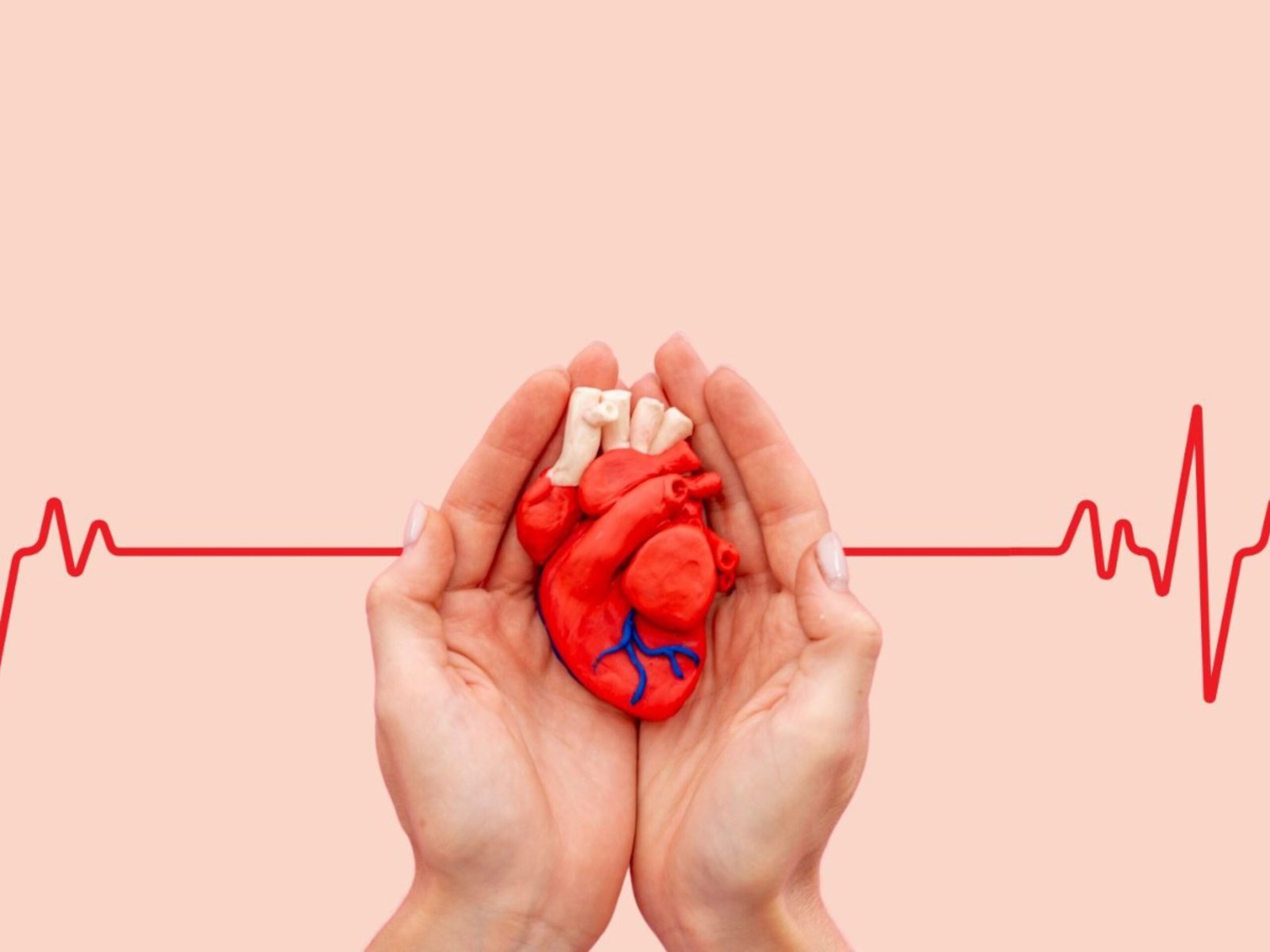
Your heart has been working for you since day one. Now it is your turn to work for it. Your heart works every minute to pump blood, oxygen, and nutrients through your body. When blood pressure, cholesterol, or blood sugar stay high, they quietly damage your blood vessels.
Over time, this increases the risk of heart attack and stroke. Hopefully, healthy eating, regular exercise, and routine heart health checks can significantly lower your risk of cardiovascular disease.
Here we cover seven practical, doable habits, based on real evidence, that support a healthier heart.
Habit 1: Eat for Heart Health
Your heart runs best on whole foods like vegetables, fruits, lean meats, and fish. When you add more of these to your plate, you naturally feel fuller and leave less room for processed food. No deprivation needed.
Start small. Add one extra serve of veggies to dinner, or a piece of fruit to breakfast. That is it. When shopping, try swapping white bread for wholegrain, or reach for a handful of almonds instead of a biscuit.
Most Australian adults fall well short of the recommended 5 serves of vegetables a day. When eating out, ask for a side of steamed veggies or choose grilled fish over fried.
Make healthy food the easy option. Keep washed veggie sticks in a clear container in the fridge. Put fresh fruit on the bench where you can see it. When good food is within reach, you will grab it more often. Consistently adding the good stuff in diet, you build a way of eating that actually lasts.
Habit 2: Stay Physically Active
Your heart is a muscle. Like any muscle, it needs regular work to stay strong. When you move, your heart gets better at pumping blood. That is its workout.
You need a structured exercise no gym or marathon. The real goal is simply moving more throughout your day. You just need the right dose, taken regularly.
Start by spotting small opportunities you already have. Take the stairs. Park further away and walk. Get off public transport a stop early. These moments seem minor, but they add up over a week and keep your heart working.
Australian physical activity guidelines suggest around 30 minutes of moderate activity on most days. Moderate means breathing harder but still able to hold a conversation. A brisk walk fits perfectly. So does mowing the lawn, cycling, or heavy gardening.
Find something you actually enjoy. Hate running? Fine, do not run. Try swimming, a dance class, or a walk with a friend. Consistency beats intensity every time. If your schedule is tight, split it up. Three 10-minute walks spread across the day work just as well as one long one.
People who sit for long stretches have higher rates of heart problems. Standing up and moving for even a few minutes every hour makes a real difference. Set a timer if it helps.
Habit 3: Sleep is Your Heart’s Reset Button
While you sleep, your heart rate slows, your blood pressure drops, and your cardiovascular system gets a proper break. Without enough quality sleep, this reset does not happen. Stress hormones stay elevated, and over time, that puts real strain on your heart. It can also lead to weight gain and higher blood pressure.
Most adults need seven to nine hours a night. But it is not just about time in bed. Deep, uninterrupted sleep is what actually restores you.
If sleep is a struggle, start with consistency. Go to bed and wake up at the same time every day, including weekends. This trains your body clock so you naturally feel tired at the right time.
Your environment matters too. Keep your bedroom dark, quiet, and cool. Your body needs to drop its core temperature to fall asleep, so a cooler room genuinely helps.
What you do before bed counts as well. Phones, tablets, and TVs emit blue light that tricks your brain into thinking it is still daytime. Put screens away at least an hour before bed and wind down with a book, calm music, or a warm shower instead.
Watch your evening habits. Caffeine can linger in your system for hours, so avoid coffee or tea after lunch. Alcohol might help you fall asleep, but it disrupts sleep quality later in the night and leaves you less refreshed.
Habit 4: Manage Stress Effectively
When you feel stressed, your body releases adrenaline and cortisol. Your heart beats faster and your blood pressure rises. Short bursts of this are fine. The problem is when stress becomes constant and your heart never gets a break.
Over time, this damages blood vessels and often pushes people toward unhealthy habits like smoking, drinking more, or overeating, which adds even more strain on the heart.
The fix does not require hours of meditation or a weekend retreat. You just need small pauses built into your day. Micro-breaks.
A micro-break can be as short as two minutes. Step away from your desk. Look out a window. Try box breathing: breathe in for four counts, hold for four, out for four. This signals your nervous system to calm down. A brisk 10-minute walk works well too, burning off tension and clearing your head. Even stretching at your desk helps release the physical tightness stress creates.
Reconnecting with hobbies is another powerful tool. Reading, gardening, music, fishing, painting. These are not a waste of time. They give your mind a focus away from worry and let your body relax.
Do not underestimate the connection either. A quick chat with a friend or a coffee with a colleague releases hormones that directly counter stress. These small moments remind you that you are not carrying everything alone.
Chronic stress contributes to high blood pressure and inflammation, both linked to heart disease. Managing stress is not just about feeling better. It protects your heart physically.
Habit 5: Hydrating for Heart Efficiency
When you are well hydrated, your blood flows freely and your heart pumps it around your body without much effort. When you are even slightly dehydrated, your blood thickens, your heart works harder to push it through your vessels, and your heart rate rises to compensate.
Most adults need around six to eight cups of fluid per day (1.5 to 2 litres). You may need more in hot weather or when you are active.
Plain water is your best option. No sugar, no kilojoules, no additives. Australian tap water is perfectly safe. If you find it boring, add lemon, cucumber, mint, or a few berries.
The easiest way to drink enough is to make it visible. Keep a bottle on your desk, a glass on the kitchen bench, and one by your bed. Link drinking water to existing habits, like a glass with every meal, one when you wake up, and one before bed.
Other drinks count too. Tea, coffee, and milk all contribute to your fluid intake. Limit sugary drinks like soft drink and juice. Alcohol acts as a diuretic and can raise blood pressure over time, so stick to guidelines if you drink.
A quick check: pale yellow urine means you are well hydrated. Dark yellow means drink more.
If you have kidney problems or heart failure, ask your doctor about the right amount for you. For everyone else, staying hydrated is one of the simplest things you can do for your heart. It costs nothing and the benefit is there every day.
Habit 6: Stop Smoking and Avoid Tobacco
Quitting smoking is hard. Nicotine is highly addictive, and withdrawal is uncomfortable and frustrating. That is completely normal.
Smoking is the single worst thing for your heart. Every cigarette sends chemicals into your bloodstream that damage blood vessel linings, make your blood more likely to clot, and force your heart to work harder. Over time, this leads to narrowed arteries, high blood pressure, heart attack, and stroke.
Your body starts repairing itself the moment you stop smoking. Within 24 hours, your heart attack risk begins to drop. Within a year, your risk of heart disease is roughly half that of a smoker. Within a few years, it falls to the same level as someone who never smoked.
The most important thing to know is that you do not have to do this alone. The best results come from combining a quit plan with professional help.
Start by talking to a GP. Nicotine replacement therapies like patches, gum, and lozenges, along with prescription medications, can double or even triple your chances of quitting for good.
For environmental change, remove cigarettes, lighters, and ashtrays from your home, car, and workspace. If you usually smoke after a coffee or a meal, change that routine. Go for a short walk, drink a glass of water, or chew sugar-free gum instead.
Smoking causes around one in eight cardiovascular deaths in Australia every year. Quitting adds years to your life and life to your years. More energy, better breathing, better taste, and money saved.
If you have tried before and it did not stick, try again. Most people make several attempts before quitting for good.
Habit 7: Monitor Blood Pressure, Cholesterol, and Blood Sugar
Heart deseases come silently. You cannot feel cholesterol rising or sense high blood pressure building. There are often no symptoms at all, which is exactly why it is called a silent killer.
You need to check and track your blood pressure, cholesterol, blood sugar, and weight. Together they will provide you a clear picture of your heart health.
Blood pressure shows how hard your heart is working. High pressure strains your vessels and raises your risk of heart attack and stroke. Cholesterol levels reveal whether fatty buildup is forming in your arteries. Blood sugar matters because high levels over time damage arteries and increase heart risk even without diabetes. Where you carry your weight matters too, as extra belly fat is directly linked to higher heart risk.
Here is what most people miss. These numbers are not fixed. They shift over time based on your habits, age, and health. Checking them regularly shows whether you are moving in the right direction.
In Australia, Medicare covers a dedicated heart health check for people aged 45 to 79, and for Aboriginal and Torres Strait Islander people from age 30. It is a 20 to 30 minute appointment where your GP reviews your history, measures your blood pressure, arranges blood tests, and calculates your overall risk of heart attack or stroke in the next five years. You leave with a clear plan, not guesswork.
If something is high, there are options. Sometimes lifestyle changes are enough. Sometimes medication helps. Both work best when problems are caught early.
When to See a Doctor
Many heart problems develop without clear symptoms. That is why regular heart health checks are so important, especially if you are over 45 or have risk factors such as high blood pressure, high cholesterol, diabetes, smoking, or a family history of heart disease.
See a GP promptly if you notice chest pain, chest tightness, shortness of breath, dizziness, or pain that spreads to your arm, neck, or jaw. These can be warning signs of a heart attack and need urgent medical care.
You should also book an appointment if you feel ongoing fatigue, irregular heartbeats, or reduced exercise tolerance. Early assessment can detect cardiovascular disease before it becomes serious. A simple check of your blood pressure, cholesterol, and blood sugar can make a significant difference to your long term heart health.
Data Source:
- https://www.aihw.gov.au/reports/indigenous-australians/indigenous-primary-health-care-results-osr-nkpi/contents/nkpi-chronic-disease-management-indicators/kidney-function-test-result-risk-category-type-2-d
- https://www.heartfoundation.org.au/for-professionals/australian-heart-maps
- https://www.griffith.edu.au/student-support/health-service/smoking-cessation-program
- https://www.keytolife.net.au/healthy-eating-for-adults-eat-for-health-and-wellbeing
- https://sleephub.com.au/sleep-goals-2026/