
A blood test is one of the most powerful diagnostic tools in modern medicine – and most people only get one when something already feels wrong.
Here’s the truth: a single routine blood draw can reveal early signs of over 50 different health conditions, including diabetes, heart disease, kidney failure, thyroid disorders, nutritional deficiencies, and even certain cancers – often years before a single symptom appears.
According to the World Health Organisation (WHO), laboratory tests inform approximately 70% of all clinical decisions made by doctors worldwide. Yet most patients receive their results as a string of numbers, glance at the “normal” or “abnormal” flag, and move on without truly understanding what their body is telling them.
This guide changes that. Whether you’ve just had a routine annual check-up, you’re managing a chronic condition, or you simply want to be a more informed patient, you’ll leave here with a practical, clear understanding of what each common blood test reveals – and what to do with that information.
Let’s go panel by panel.
What Is a Blood Test, Really?
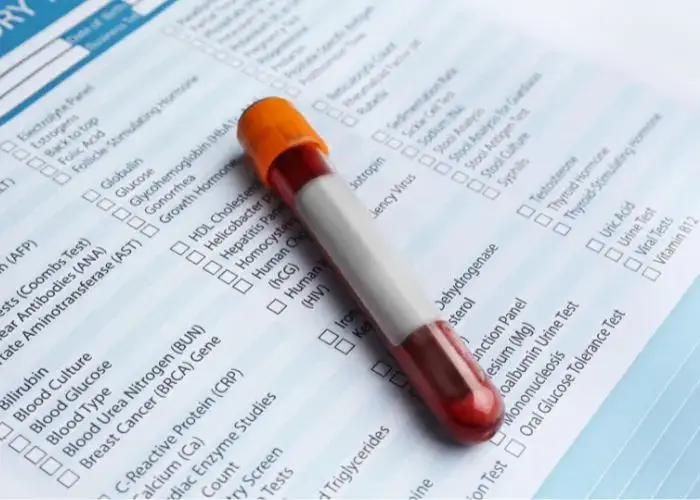
A blood test – also called a blood panel, blood work, or serum test – involves drawing a small sample of blood (typically 5-20ml) from a vein, usually in your arm. That sample is then spun in a centrifuge to separate its components and analysed by an automated laboratory analyser.
What makes blood so diagnostically rich is that virtually every organ and system in your body leaves chemical traces in your bloodstream. Your liver deposits enzymes. Your kidneys regulate electrolyte concentrations. Your bone marrow produces blood cells whose count and shape signal dozens of conditions. Your fat metabolism leaves behind lipoproteins. Your endocrine glands secrete hormones detectable in nanogram quantities.
Blood is, in effect, your body’s internal communication highway – and a blood test is how clinicians eavesdrop on that conversation.
There are several distinct “panels” or groups of tests, each targeting a different system. Most routine check-ups include:
- CBC – Complete Blood Count (blood cells)
- CMP – Comprehensive Metabolic Panel (organs, metabolism)
- Lipid Panel – cholesterol and cardiovascular risk
- Fasting Glucose / HbA1c – blood sugar and diabetes screening
- TSH – thyroid function
- Vitamin D, B12, Iron – nutritional status
Let’s break each one down.
The Complete Blood Count (CBC)
The Complete Blood Count is the most ordered blood test in the world. It counts and characterises the three main types of blood cells: red blood cells (RBCs), white blood cells (WBCs), and platelets.
Red Blood Cell Markers
| Marker | What It Measures | What Abnormal May Mean |
| Haemoglobin (Hgb) | Oxygen-carrying protein in RBCs | Low = anaemia; High = dehydration or polycythaemia |
| Haematocrit (Hct) | % of blood volume made up of RBCs | Low = anaemia, blood loss; High = chronic lung disease |
| MCV (Mean Corpuscular Volume) | Size of red blood cells | Low = iron deficiency; High = B12/folate deficiency |
| RDW | Variation in RBC size | Elevated = mixed nutritional deficiency or haemolytic anaemia |
What Anaemia Actually Looks Like in Numbers
According to the WHO, anaemia affects 1.62 billion people globally – roughly 24.8% of the world’s population. Yet many people carry it for years without realising, attributing fatigue and brain fog to stress or poor sleep.
A haemoglobin below 12 g/dL in women or 13 g/dL in men is the diagnostic threshold for anaemia. But the type of anaemia is diagnosed by the shape – specifically the MCV. Small cells point to iron deficiency. Large cells point to B12 or folate deficiency. Normal-sized cells point to chronic disease.
White Blood Cell Markers
Your WBC count is your immune system’s report card.
- Elevated WBC (leukocytosis): Often signals active infection, inflammation, stress response, or – in extreme cases – leukaemia.
- Low WBC (leukopenia): Can indicate viral infections (like HIV or COVID-19), autoimmune disorders, or bone marrow problems.
- Differential WBC count breaks it further: neutrophils, lymphocytes, monocytes, eosinophils, and basophils each point to different causes.
A high eosinophil count, for example, is a classic signal of allergic disease or parasitic infection – something many patients in tropical and subtropical regions like South Asia never connect to a blood result.
Platelet Count
Platelets govern blood clotting. Low platelets (thrombocytopenia) can cause excessive bleeding; high platelets (thrombocytosis) can raise clot risk. Normal range: 150,000-400,000 per microlitre.
The Comprehensive Metabolic Panel (CMP)
The CMP is a 14-test panel that gives doctors a window into how well your kidneys, liver, and metabolism are functioning. It includes everything in the Basic Metabolic Panel (BMP) plus liver enzymes.
Kidney Function Markers
| Marker | Normal Range | What It Signals |
| Creatinine | 0.7-1.3 mg/dL (men); 0.6-1.1 mg/dL (women) | Waste product filtered by kidneys – elevated = kidney stress |
| BUN (Blood Urea Nitrogen) | 7-20 mg/dL | Protein waste – elevated = kidney dysfunction or dehydration |
| eGFR | >60 mL/min/1.73m² | Estimated kidney filtration rate – below 60 = chronic kidney disease |
Research published in the New England Journal of Medicine found that chronic kidney disease (CKD) affects approximately 10% of the global population, yet the majority of cases are undiagnosed until the disease is already advanced – largely because CKD produces no symptoms in its early stages. A routine creatinine check is often all it takes to catch it.
Liver Function Markers
- ALT (Alanine Aminotransferase) and AST (Aspartate Aminotransferase): Enzymes that leak into the blood when liver cells are damaged. Elevated in fatty liver disease, hepatitis, or alcohol-related damage.
- ALP (Alkaline Phosphatase): Elevated in bile duct problems, bone disorders, or liver disease.
- Total Bilirubin: A breakdown product of haemoglobin. High levels cause jaundice; moderate elevations suggest liver stress.
- Albumin: A protein made by the liver. Low albumin signals poor nutrition or chronic liver disease.
Electrolytes & Metabolism
- Sodium, Potassium, Chloride, CO₂: Govern fluid balance, nerve function, and acid-base status. Imbalances can cause muscle cramps, confusion, heart arrhythmias, and fatigue.
- Calcium: Critical for bone health, nerve signalling, and muscle contraction. Both high and low levels have serious implications.
- Glucose: Fasting glucose above 100 mg/dL enters the pre-diabetic range; above 126 mg/dL on two occasions is diagnostic for diabetes.
Lipid Panel – Reading Your Cardiovascular Risk
The lipid panel measures the types of fat circulating in your blood. Cardiovascular disease remains the world’s leading cause of death, according to the WHO – and much of that risk is readable in a single blood draw.
The Four Core Numbers
| Marker | Optimal Level | What It Means |
| Total Cholesterol | <200 mg/dL | Overall fat in blood |
| LDL (“Bad” Cholesterol) | <100 mg/dL (ideally <70 for high-risk) | Deposits in artery walls; drives plaque |
| HDL (“Good” Cholesterol) | >60 mg/dL (men >40; women >50 minimum) | Removes LDL from arteries |
| Triglycerides | <150 mg/dL | Stored fat energy; elevated by sugar/alcohol |
Beyond the Numbers: The Ratios That Matter More
Many cardiologists now focus on ratio-based risk assessment rather than absolute values:
- Total Cholesterol / HDL ratio: Below 4.0 is desirable. Above 5.0 significantly raises heart disease risk.
- LDL / HDL ratio: Below 2.5 is ideal.
- Triglyceride / HDL ratio: Below 2.0 is optimal. A ratio above 3.0 is a strong predictor of insulin resistance.
“The triglyceride-to-HDL ratio may be the single most useful cardiovascular risk marker accessible in a standard lipid panel,” notes Dr Mark Houston, Director of the Hypertension Institute at Saint Thomas Hospital.
Blood Sugar Tests – Spotting Diabetes Before It Starts
Two tests dominate diabetes screening:
Fasting Blood Glucose
- Below 99 mg/dL: Normal
- 100-125 mg/dL: Pre-diabetes (impaired fasting glucose)
- 126 mg/dL or above (on two tests): Type 2 diabetes
You must fast for 8-12 hours before this test for accurate results.
HbA1c (Glycated Haemoglobin)
This is the smarter, more complete test. HbA1c measures the average blood sugar level over the past 2-3 months by checking how much glucose has attached to your red blood cells. It doesn’t require fasting.
- Below 5.7%: Normal
- 5.7-6.4%: Pre-diabetes
- 6.5% or above: Diabetes
According to the International Diabetes Federation (IDF), 537 million adults worldwide live with diabetes as of 2021 – and approximately 50% are undiagnosed. The HbA1c test is the most practical mass-screening tool available.
The critical insight: pre-diabetes is fully reversible with lifestyle intervention. A person with an HbA1c of 6.2% who loses 5-7% of body weight and exercises 150 minutes per week has a 58% reduced risk of progressing to Type 2 diabetes, according to the landmark Diabetes Prevention Program trial.
Thyroid Function Tests – The Hormones Running Your Metabolism
The thyroid gland, a butterfly-shaped organ in your neck, regulates metabolism, energy, temperature, heart rate, mood, and weight. Thyroid disorders are among the most under-diagnosed conditions globally – particularly in women.
Key Markers
| Marker | Normal Range | Implication |
| TSH (Thyroid-Stimulating Hormone) | 0.4-4.0 mIU/L | The master signal – high TSH = hypothyroidism; low TSH = hyperthyroidism |
| Free T4 | 0.8-1.8 ng/dL | Active thyroid hormone – confirms TSH findings |
| Free T3 | 2.3-4.2 pg/mL | Most biologically active form |
| TPO Antibodies | Negative | Positive = Hashimoto’s thyroiditis (autoimmune) |
Hypothyroidism vs. Hyperthyroidism – At a Glance
Hypothyroidism (underactive thyroid): Fatigue, weight gain, cold intolerance, constipation, dry skin, depression, brain fog. Affects approximately 5% of the global population, with women aged 40-60 at highest risk. Often managed with daily levothyroxine.
Hyperthyroidism (overactive thyroid): Anxiety, weight loss, rapid heartbeat, heat intolerance, tremors, insomnia. Most commonly caused by Graves’ disease (autoimmune) or toxic nodular goitre.
Vitamin and Mineral Levels – The Deficiencies Most People Miss
Standard blood panels don’t always include these – you may need to request them specifically. But they’re worth it.
Vitamin D (25-hydroxyvitamin D)
- Deficient: Below 20 ng/mL
- Insufficient: 20-29 ng/mL
- Optimal: 30-100 ng/mL
According to a study published in Nutrients (2022), approximately 1 billion people worldwide are vitamin D deficient. In South Asia and the Middle East, deficiency rates exceed 70-80% despite high sun exposure – largely due to skin coverage, indoor lifestyles, and dietary patterns.
Consequences of deficiency include impaired bone mineralisation, weakened immune function, increased risk of depression, and potentially higher susceptibility to autoimmune conditions.
Vitamin B12
- Deficient: Below 200 pg/mL
- Borderline: 200-300 pg/mL
- Normal: 300-900 pg/mL
B12 deficiency is epidemic among vegetarians, vegans, and anyone over 60 (reduced gastric acid impairs absorption). Neurological symptoms – tingling, memory lapses, mood changes – can appear before anaemia and are sometimes irreversible if untreated.
Iron Studies
Full iron studies include:
- Serum Iron
- Ferritin (stored iron – this drops first in iron deficiency)
- TIBC (Total Iron Binding Capacity)
- Transferrin Saturation
Ferritin is particularly valuable because it depletes long before haemoglobin falls. A person with ferritin below 30 ng/mL may feel profoundly fatigued yet show a “normal” haemoglobin – a pattern that frequently goes unaddressed.
Inflammatory Markers – When Your Body Is Quietly On Fire
Chronic low-grade inflammation underlies most of the diseases that kill people in the modern world: heart disease, diabetes, Alzheimer’s, certain cancers, and autoimmune conditions.
CRP and hsCRP
C-Reactive Protein (CRP) rises rapidly during infection or injury. High-sensitivity CRP (hsCRP) detects the low-level inflammation linked to cardiovascular disease:
- Below 1.0 mg/L: Low risk
- 1.0-3.0 mg/L: Moderate risk
- Above 3.0 mg/L: High cardiovascular risk
ESR (Erythrocyte Sedimentation Rate)
ESR measures how quickly red blood cells settle in a tube – faster settling indicates more inflammatory proteins in the blood. It’s a sensitive but non-specific marker used to monitor conditions like lupus, rheumatoid arthritis, and polymyalgia rheumatica.
Homocysteine
An amino acid elevated by B vitamin deficiencies. Levels above 15 μmol/L are associated with significantly increased risk of heart disease, stroke, and dementia. Often missed in routine panels – worth requesting specifically.
What “Normal” Actually Means – and When to Worry
Here’s something few patients are told: “normal” ranges are statistical estimates, not universal truths.
Reference ranges are typically derived from the middle 95% of a healthy population – meaning 5% of perfectly healthy people will fall “outside normal” on any given test by pure statistics alone. A single out-of-range marker is not a diagnosis.
When to Seek Follow-Up
Request a follow-up conversation with your doctor if:
- Any marker is flagged significantly outside the reference range
- Multiple markers in the same panel are abnormal (pattern matters)
- Results are borderline but you have relevant risk factors or symptoms
- Results have shifted notably from your own previous baseline
“Comparing your result to your own history is often more meaningful than comparing it to a population range. Trends over time are where the real signal lives.” – Journal of General Internal Medicine, 2021.
How to Read Your Own Results Like a Pro
You have a legal right to receive a copy of your blood results in most countries. Here’s how to approach them intelligently:
Step 1 – Get the actual numbers, not just “normal/abnormal.” Ask your clinic or lab for the full numerical report, not just a summary.
Step 2 – Note the reference range printed on the report. Each lab has slightly different ranges calibrated to their equipment. Always compare against the range on your own report.
Step 3 – Look for patterns, not isolated numbers. One slightly elevated marker rarely means anything. A cluster of related abnormalities tells a story.
Step 4 – Track your baseline over years. Keep a personal health file with all your blood results dated. Trend data is invaluable for both you and your doctor.
Step 5 – Bring specific questions to your appointment. Instead of “Is everything okay?”, ask: “My ferritin was 18 ng/mL – is that low enough to explain my fatigue?” Specific questions get specific answers.
Step 6 – Use credible reference tools.
- MedlinePlus (NIH) – plain-language explanations of every common lab test
- Lab Tests Online (AACC) – patient-facing clinical resource
- NHS Lab Tests – reliable for UK-based reference ranges
Common Myths About Blood Tests, Debunked
Myth 1: “If my doctor didn’t call, everything must be fine.”
False. Many clinics only call for critically abnormal results. Always request your results proactively and review them yourself.
Myth 2: “I only need blood tests if I feel sick.”
False. The most valuable aspect of routine blood testing is catching silent conditions – elevated glucose, rising cholesterol, declining kidney function – before symptoms emerge.
Myth 3: “A ‘normal’ result means I’m completely healthy.”
Not necessarily. Standard panels don’t test for everything. If you have specific concerns (thyroid, vitamins, inflammation), you may need to request those tests separately.
Myth 4: “Blood test results are always accurate.”
Not always. Factors like recent heavy exercise, dehydration, stress, alcohol, medications, and improper fasting can skew results. Always follow pre-test instructions precisely.
Myth 5: “Borderline results are nothing to worry about.”
Not always. Borderline glucose, rising LDL, or declining eGFR – especially combined with lifestyle risk factors – deserve active management, not watchful waiting.
FAQ
Q1: How often should I get a routine blood test? Most healthy adults benefit from a comprehensive panel annually. Those with chronic conditions (diabetes, hypertension, thyroid disorders) may need testing every 3-6 months. Your doctor will advise a schedule based on your individual health profile.
Q2: Do I need to fast before a blood test? It depends on the test. Fasting is required for accurate lipid panels and fasting glucose. CBC, thyroid, and vitamin tests can usually be done without fasting. When in doubt, fast for 10-12 hours and drink only water.
Q3: Can a blood test detect cancer? Standard blood tests don’t directly diagnose most cancers, but they can flag suspicious markers. An elevated PSA (prostate-specific antigen) may suggest prostate cancer. Abnormal CBC patterns can indicate leukaemia or lymphoma. A tumour marker panel (AFP, CEA, CA-125) is used for monitoring known cancers or in high-risk populations. Abnormal results always require follow-up imaging and biopsy for diagnosis.
Q4: What’s the difference between serum and plasma tests? Serum is obtained from blood that has been allowed to clot; plasma includes clotting factors and is obtained by adding anticoagulants. Most chemistry panels use serum. Some specific tests – including coagulation studies and certain hormone panels – use plasma.
Q5: Can I interpret my blood test results without a doctor? You can develop a general understanding using this guide and resources like NIH MedlinePlus or Lab Tests Online. However, clinical interpretation – especially of abnormal results – should always involve a qualified healthcare provider who knows your full medical history.
Q6: Why do different labs have different reference ranges? Laboratories calibrate their equipment independently, and populations differ in baseline characteristics. This is why comparing results across different labs can be misleading. Always use the range printed on your own report.
Q7: What blood tests should I request that doctors often overlook? Ask specifically about: Ferritin (stored iron), Vitamin D, Vitamin B12, hsCRP (cardiovascular inflammation), HbA1c (long-term glucose), TSH with Free T4, and Homocysteine. These offer significant clinical value but aren’t always included in standard routine panels.
Q8: Can stress affect blood test results? Yes. Acute physical or psychological stress can temporarily elevate cortisol, glucose, white blood cell count, and inflammatory markers. If you’ve been unwell, recently exercised intensely, or experienced significant emotional stress, mention this to your doctor – it can affect interpretation.
Conclusion
A routine blood test is not just a box to tick at your annual check-up. It is a window – sometimes the only window – into what your body is silently doing.
A CBC tells the story of your blood cells and immune defences. A CMP paints a picture of your kidneys and liver. Your lipid panel reveals how your arteries are ageing. Your fasting glucose and HbA1c tell you whether you’re on a trajectory toward diabetes. Your thyroid panel explains why you might feel exhausted or anxious without an obvious cause. And markers like ferritin, vitamin D, and hsCRP often explain the symptoms that standard medicine leaves unanswered.
The most powerful thing you can do with this knowledge is act on it – proactively, annually, and in genuine partnership with your doctor.
Sources & References
- World Health Organisation (WHO) – The Importance of Laboratory Services in the Diagnosis and Management of Disease, 2022.
- International Diabetes Federation – IDF Diabetes Atlas, 10th Edition, 2021.
- Diabetes Prevention Program Research Group – Reduction in the Incidence of Type 2 Diabetes with Lifestyle Intervention or Metformin, NEJM, 2002.
- Forrest, K.Y. & Stuhldreher, W.L. – Prevalence and correlates of vitamin D deficiency in US adults, Nutrition Research, 2011.
- Moor de Burgos, A. et al. – Iron, folate and vitamins B1 and B12 nutritional status in women, European Journal of Clinical Nutrition, 2019.
- NIH MedlinePlus – Blood Tests, accessed May 2025: medlineplus.gov/lab-tests
- Lab Tests Online (AACC) – Understanding Your Tests, accessed May 2025: labtestsonline.org
Dr Vasuthan Sellathurai

Dr Vasuthan Sellathurai, affectionately known as Dr Vasu, is an experienced General Practitioner with over 15 years in the medical field. He holds a Bachelor of Medicine / Bachelor of Surgery (MBBS) and is a Fellow of The Royal Australian College of General Practitioners (FRACGP).
Dr Vasu’s special interests include dermatology, skin cancer medicine, and surgery, offering services such as skin checks and removal of skin lesions. He is dedicated to providing the highest quality of care to the Dandenong community.